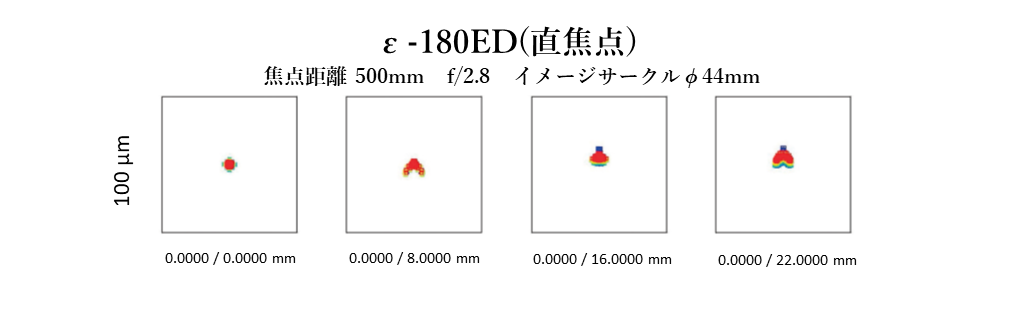
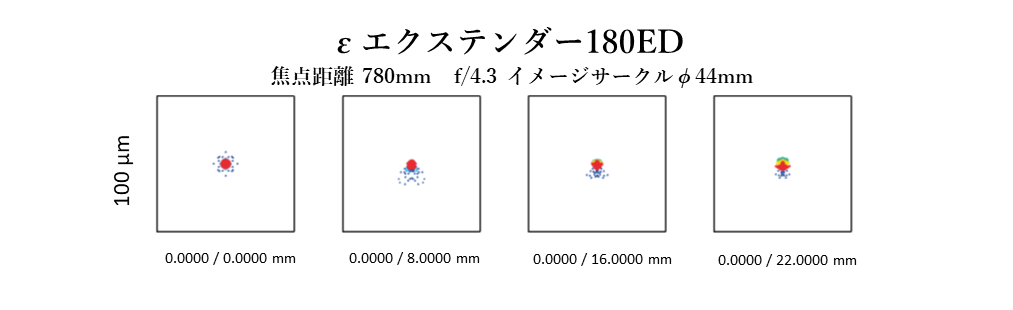
Takahashi is the most famous of the “premium” telescope brands, combining excellent design with Japanese precision and craftsmanship. The result is optics with sharpness and clarity that few competitors can match. They are mainly known for their refractors, but also have a couple reflectors that are no less remarkable. The one that caught my eye last year was the Epsilon, a series of fast Newtonians available in three sizes ε-130, ε-160, and ε-180 (the number denotes the aperture in millimeters, previously larger sizes were also offered). What’s remarkable about the Epsilon is that is simultaneously sharp (spot sizes always < 10μm, often as small as 1-2μm), fast (f/2.8-f/3.1), and wide-field (supporting full-frame sensors). There are plenty of optics that satisfy two of these criteria: f/5 for full-frame (many refractors), f/2.8 for APS-C (fast Newts), f/2.8 at full-frame with messy corner stars (camera lenses), for instance. But among telescopes that cost less than $10,000, the Epsilon may be the only product that meets all three. And as camera resolutions increase, Takahashi keeps improving the sharpness of these instruments, to the point that now they are close to diffraction-limited.
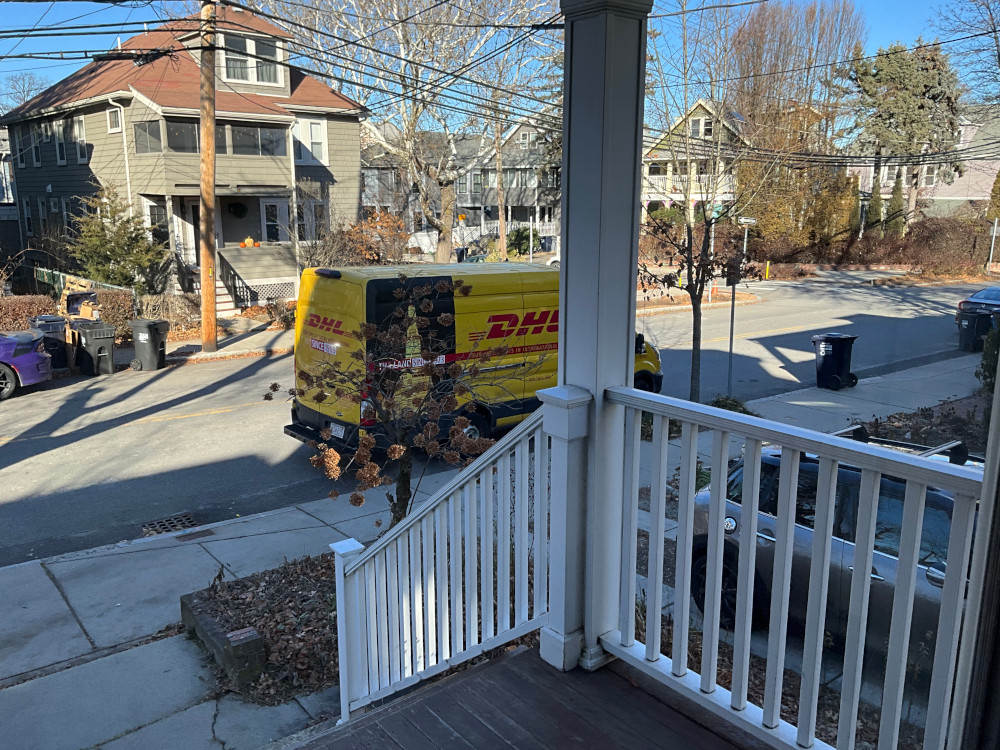
So the Epsilon was a “dream telescope” for me, an amazing product but a bit outside my budget, until I learned that Japanese shops were selling them for a lot cheaper than US sellers. So I visited a store in Tokyo, bought their flagship ε-180, and shipped it back home. The story is more complicated than that and involves mountain climbing, pre-orders, tariff drama, customs delays, and a long side trip to China, but I’ll leave that to the end of this post. The important thing is that, come December, everything showed up on my Massachusetts doorstep, in great condition.
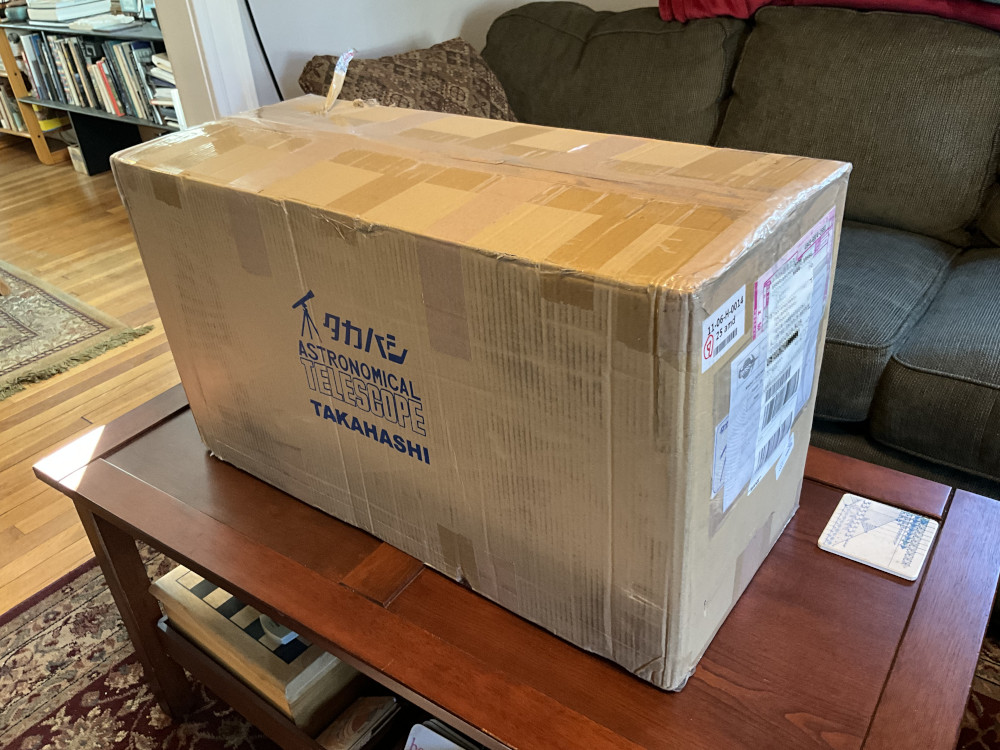
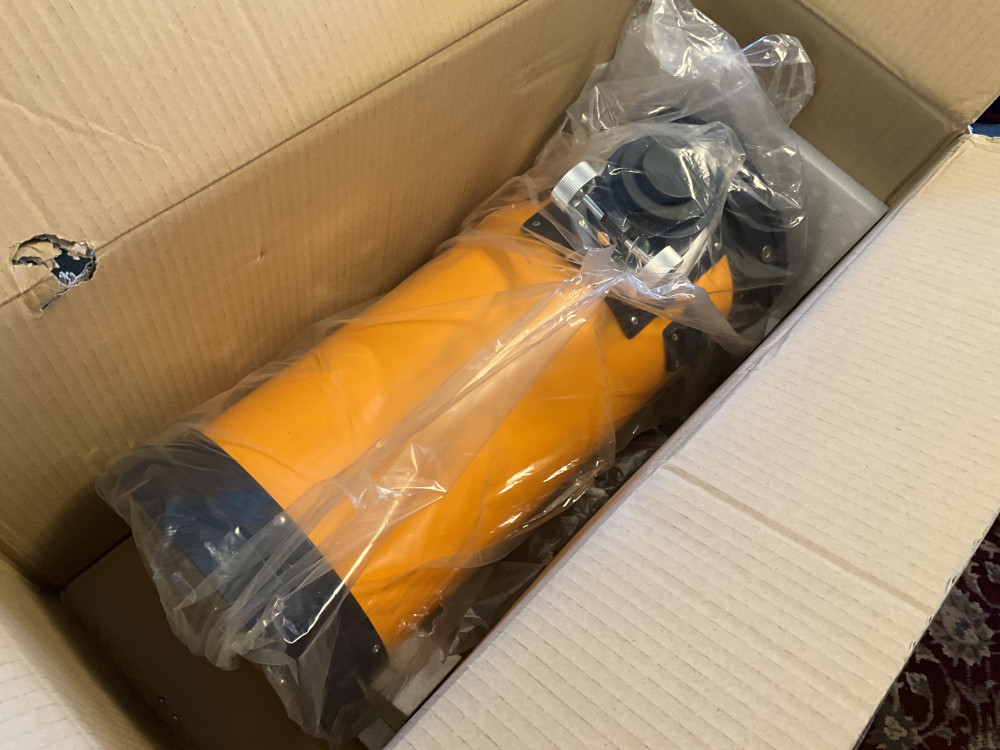
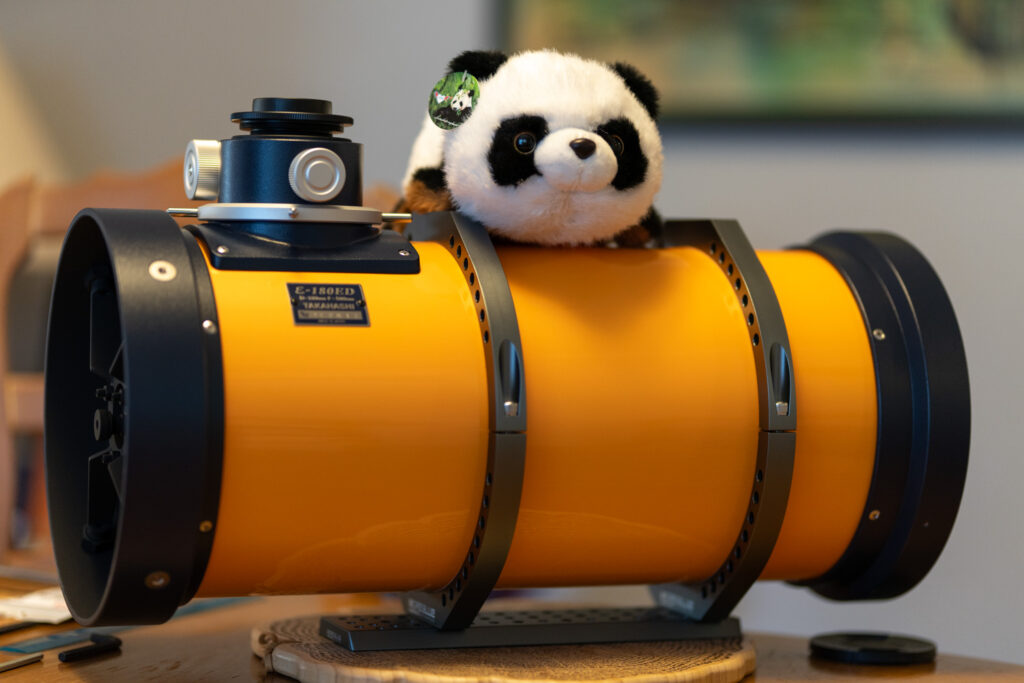
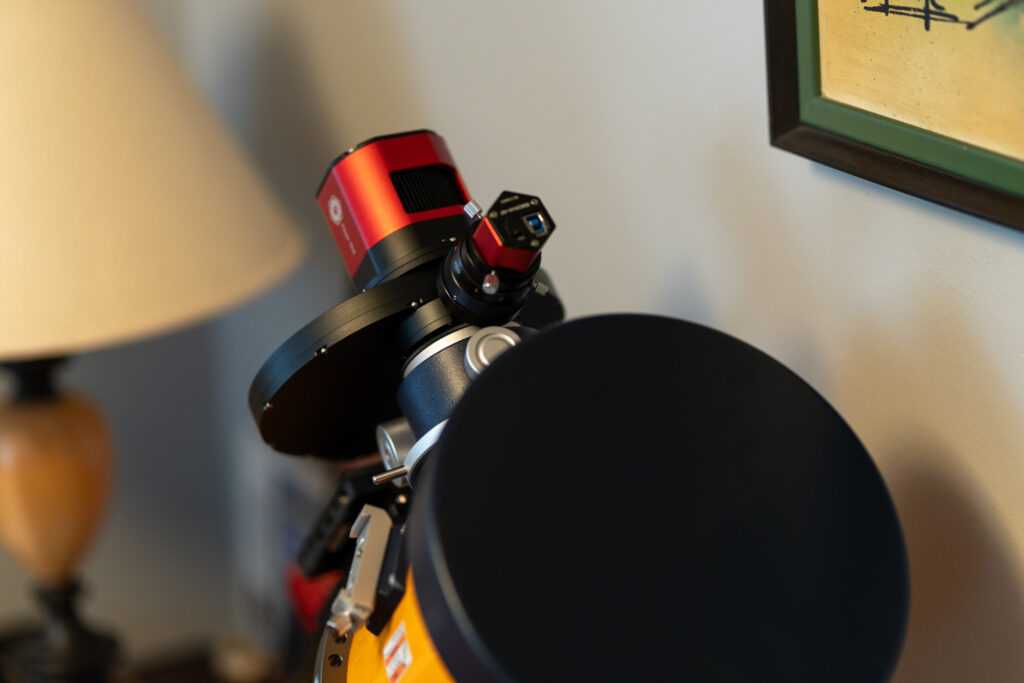
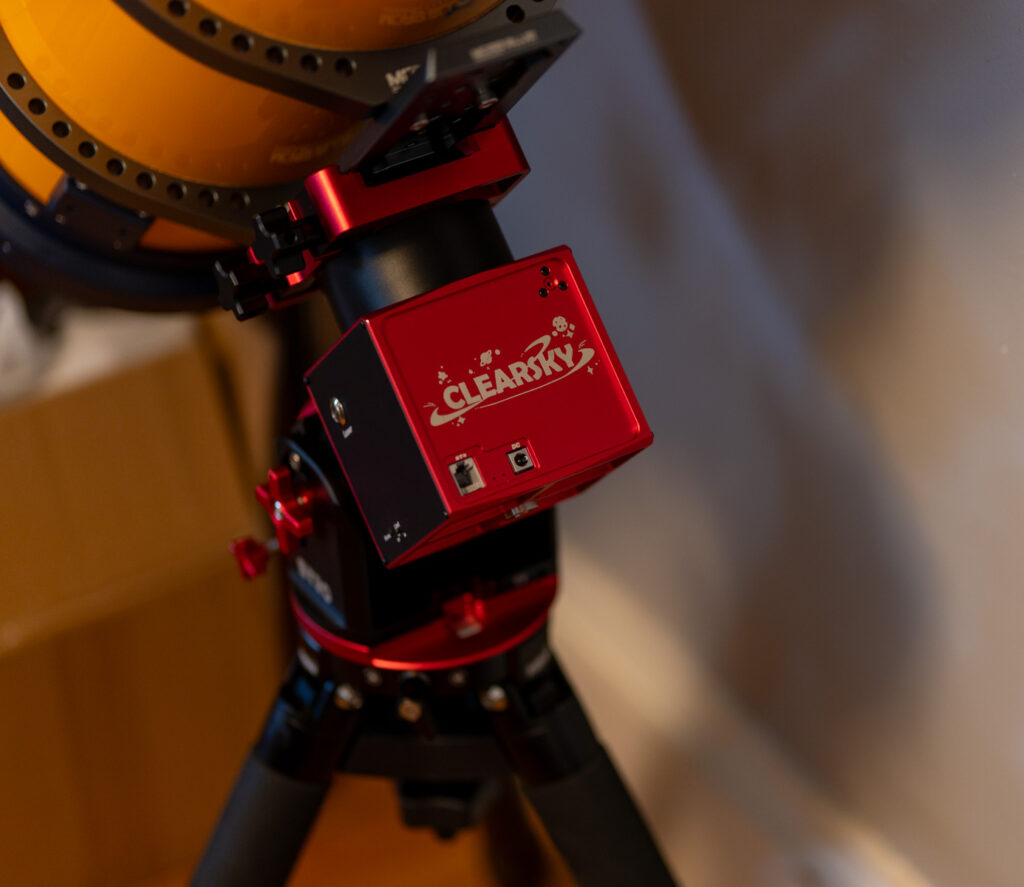
The ε-180 OTA weighs 10.7 kg, and including all the camera accessories it can top 15. But this isn’t the full story, because a large Newt like the ε-180 extends further from the mount’s RA axis, so the mount actually “feels” a load closer to 20 kg. This was too much for my Juwei-17 (13 kg limit, up to 18 with counterweight), so I had to buy a bigger mount. This used to be the domain of premium instruments that cost as much as a small car — but at this time, the Clearsky ST-20 had just hit Aliexpress boasting a 20kg capacity (30 kg with counterweights) due to its larger ST-20 stepper motors, and for only $1,600 (it’s even cheaper now).
First Night: Harvard Yard
No, not that Harvard Yard.
We had a bad astro winter in New England as usual. Most nights were cloudy, and most of the clear nights either windy or extremely cold. So when we had a lucky clear-sky night on 12/22 (at least up until midnight), I jumped on it and drove an hour west to Harvard town, setting up the rig in a field by the local school, because it’s well after dusk three days before Christmas, so obviously there won’t be anyone at the school.
This assumption proved incorrect and I was buffeted by dozens of cars going to a special event. To make matters worse, whenever the cars would turn into the school parking lot, their headlights would graze past the telescope. True, the telescope wasn’t pointed at the cars and Takahashis have excellent interior baffling to suppress stray light, but occasionally I got unlucky and had to throw out at least 25% of the frames. Below are a few examples.
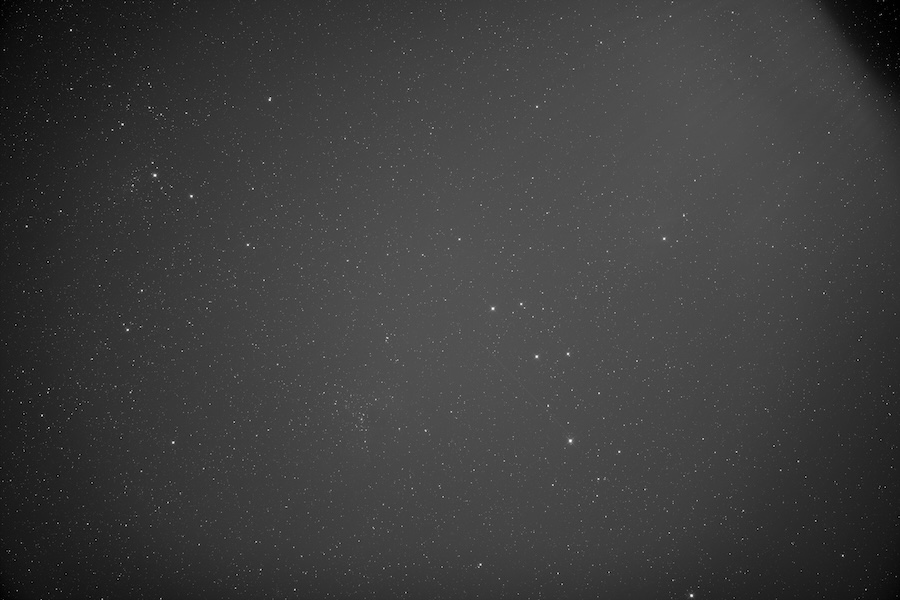
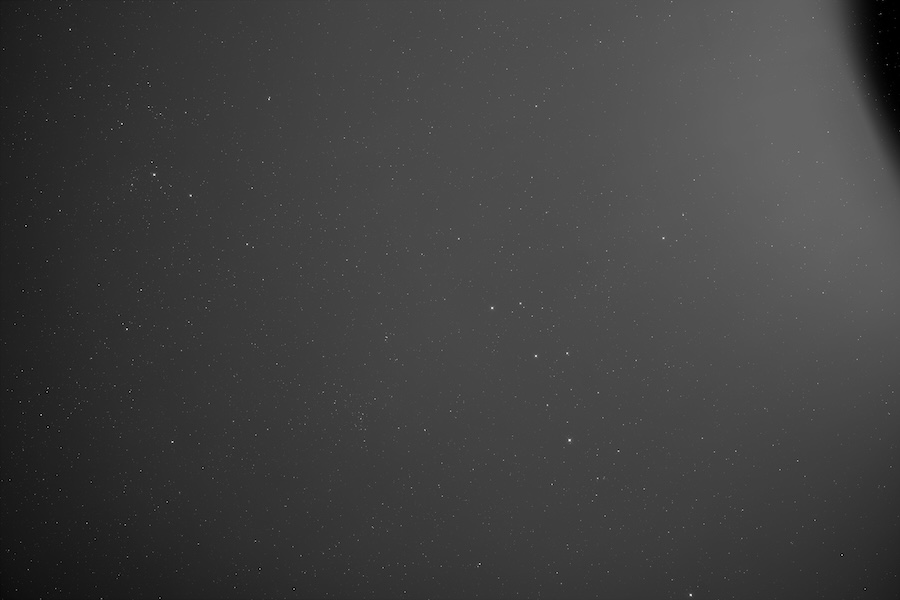
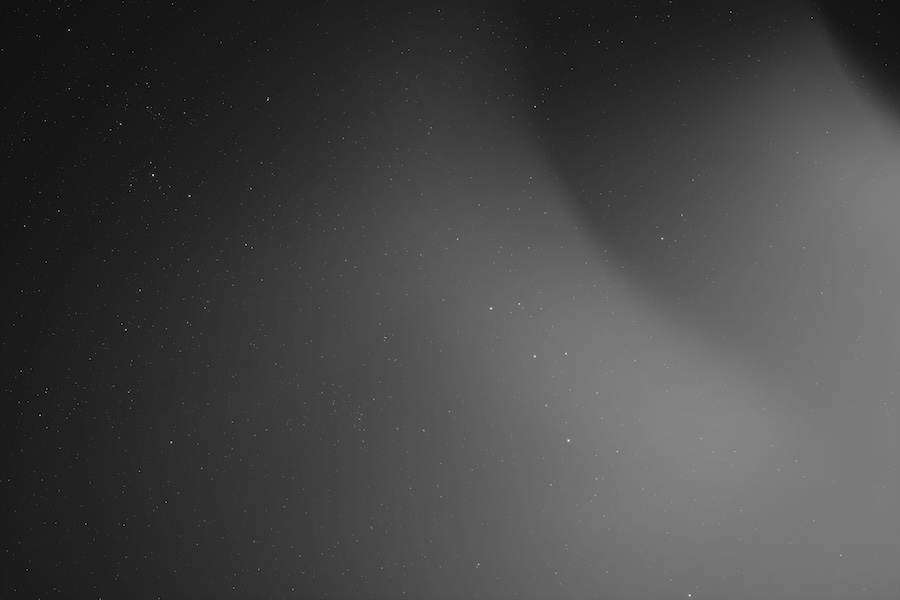
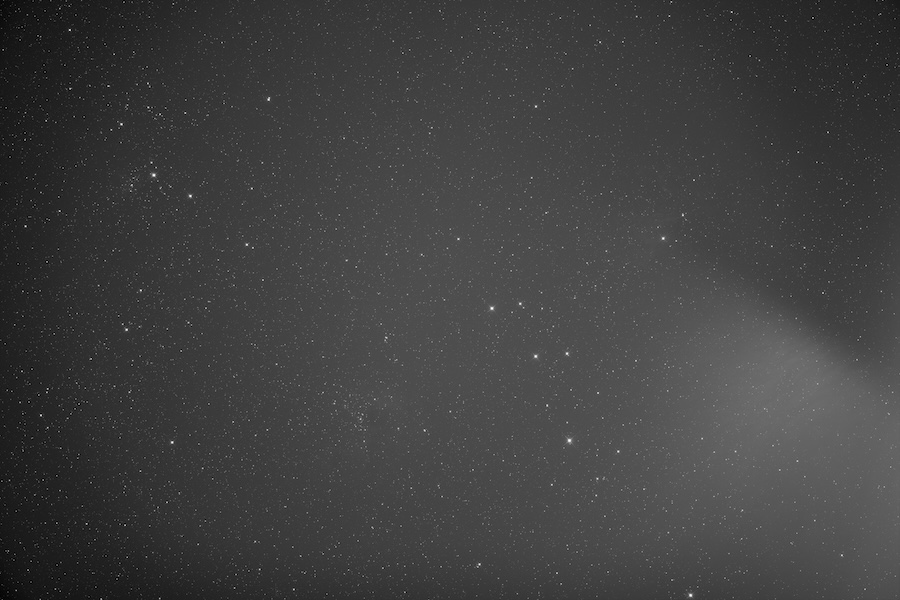
Even throwing out the obvious bad frames, I still noticed a strong gradient in the masters post-flat-correction. I think this may have been due to car headlights that were too subtle to notice, but strong enough to pick up after integration. The strong gradients made the image painful to postprocess, and the results were okay, but not comparable to my best work.
I also had problems with the mount. It would only hold polar alignment for an hour or two, and once the telescope was close to the meridian, it would “flop” a couple of degrees. The misalignment was so extreme that guiding would fail, and the mount had to be realigned. (This problem persisted on the second night. On the third night, I learned that tightening the adjustment screws after polar alignment fixes it.)
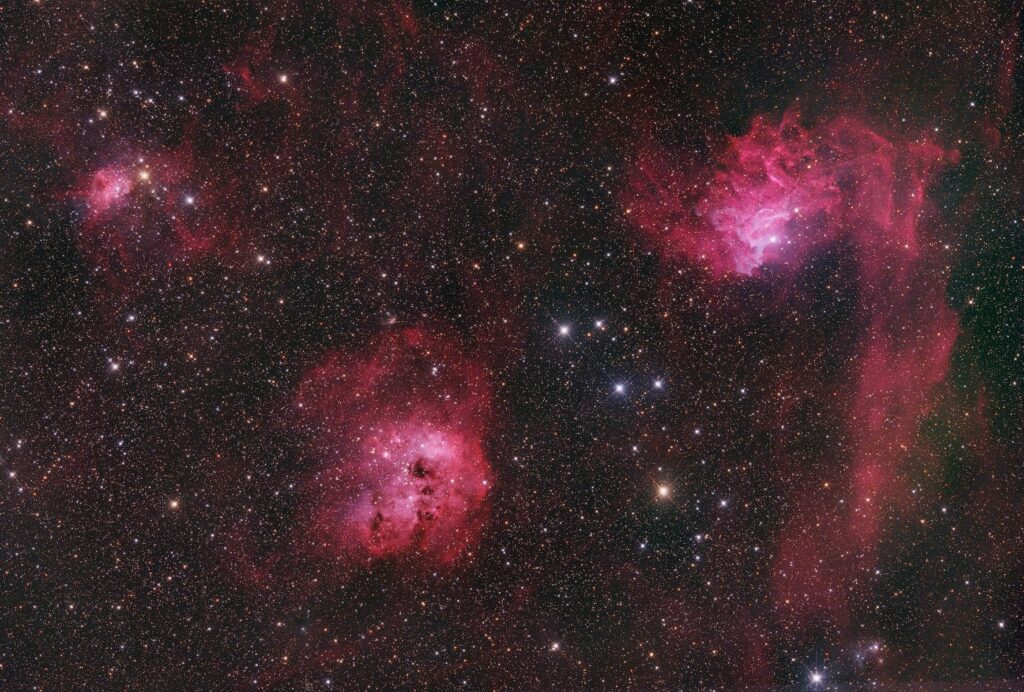
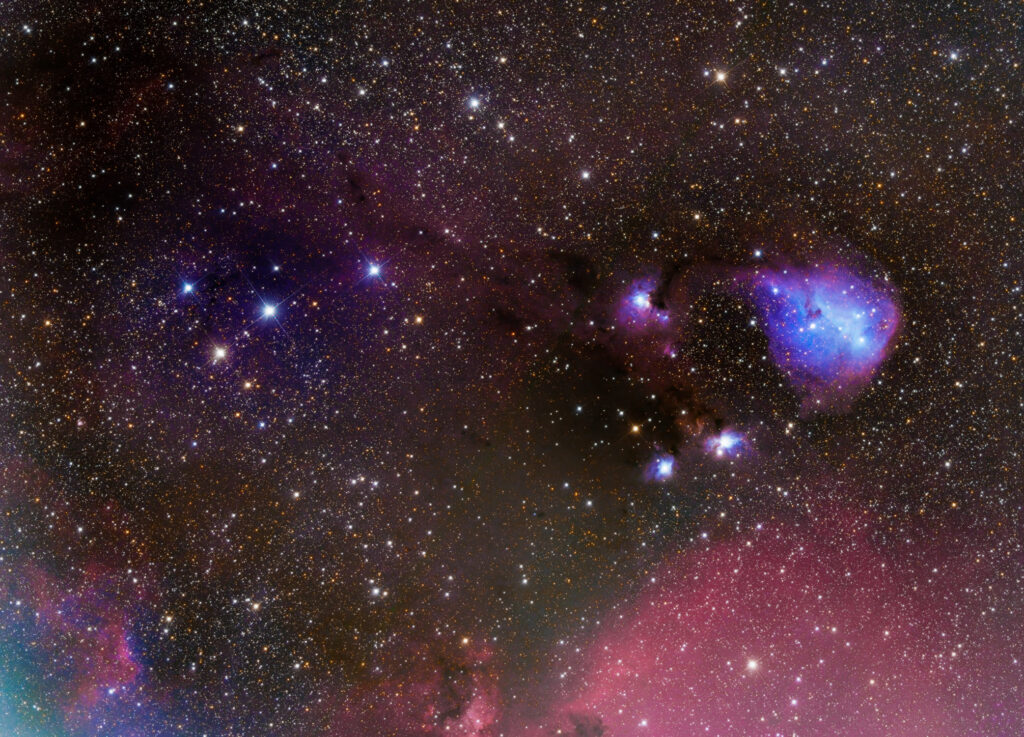
Here is the full picture of the Heart of Auriga, including the Flaming Star Nebula, the Spider Nebula, and the Tadpoles / Letter Y Cluster, in LRGB. All of my images so far have been LRGB, since I don’t yet have narrowband filters compatible with f/2.8 optics.
Here are the three objects zoomed in.
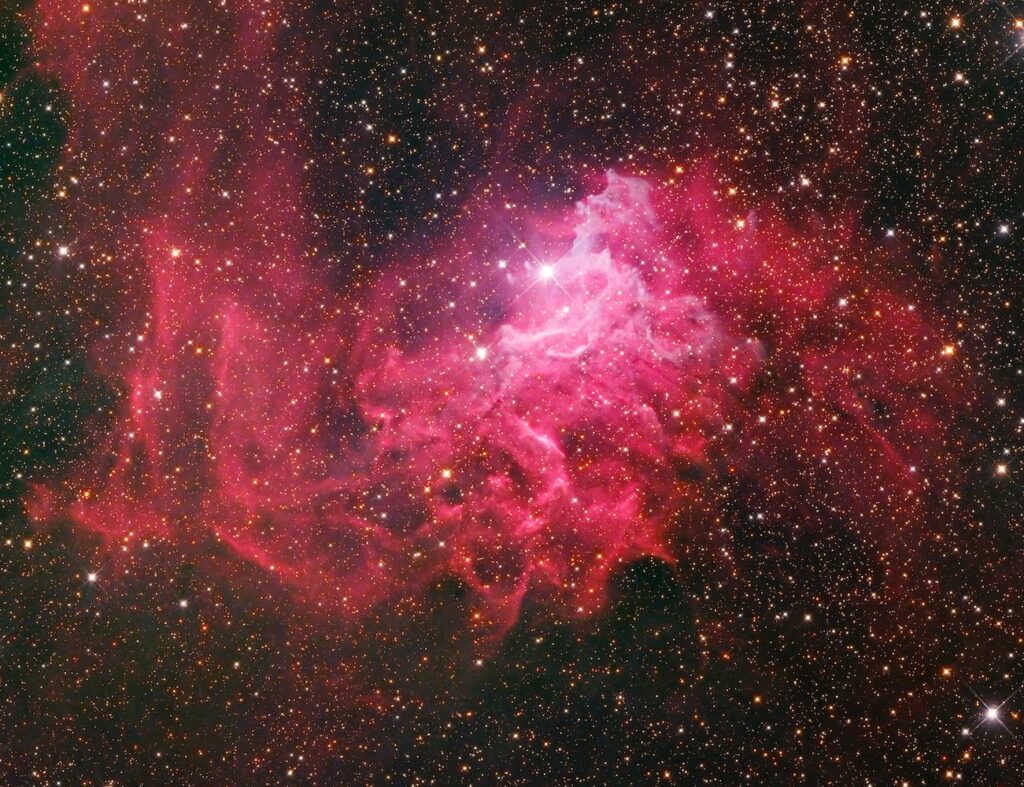
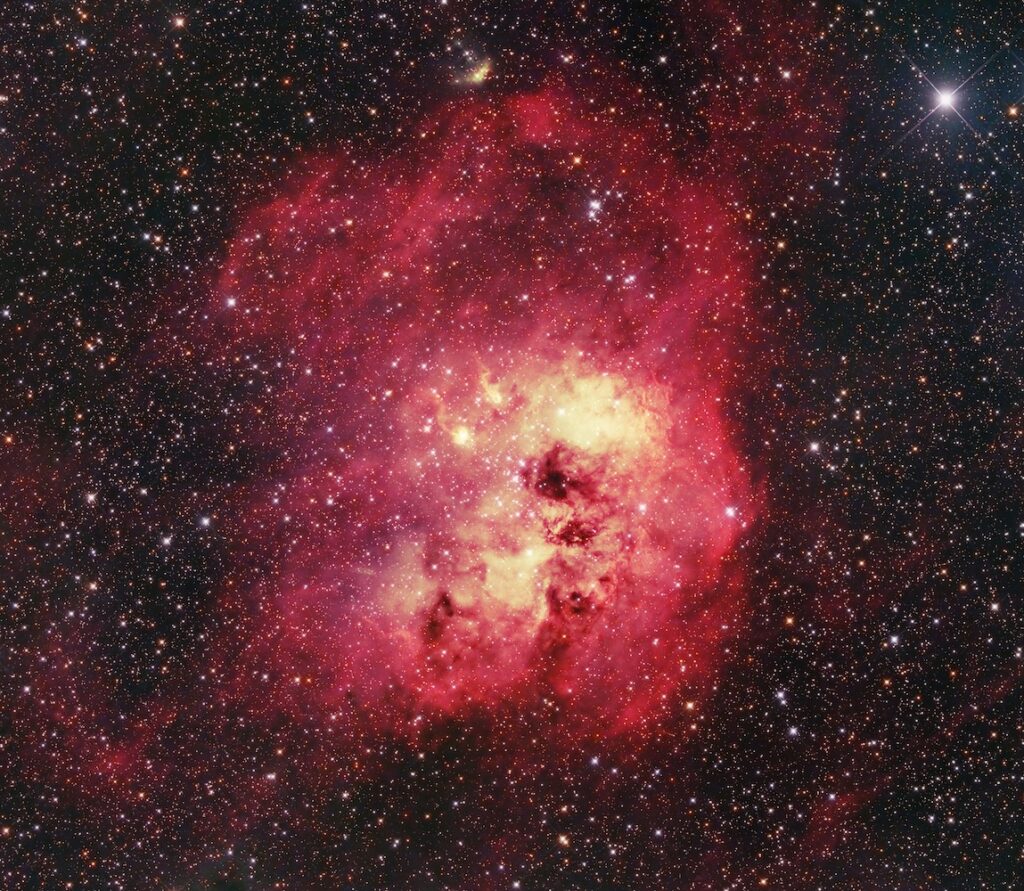
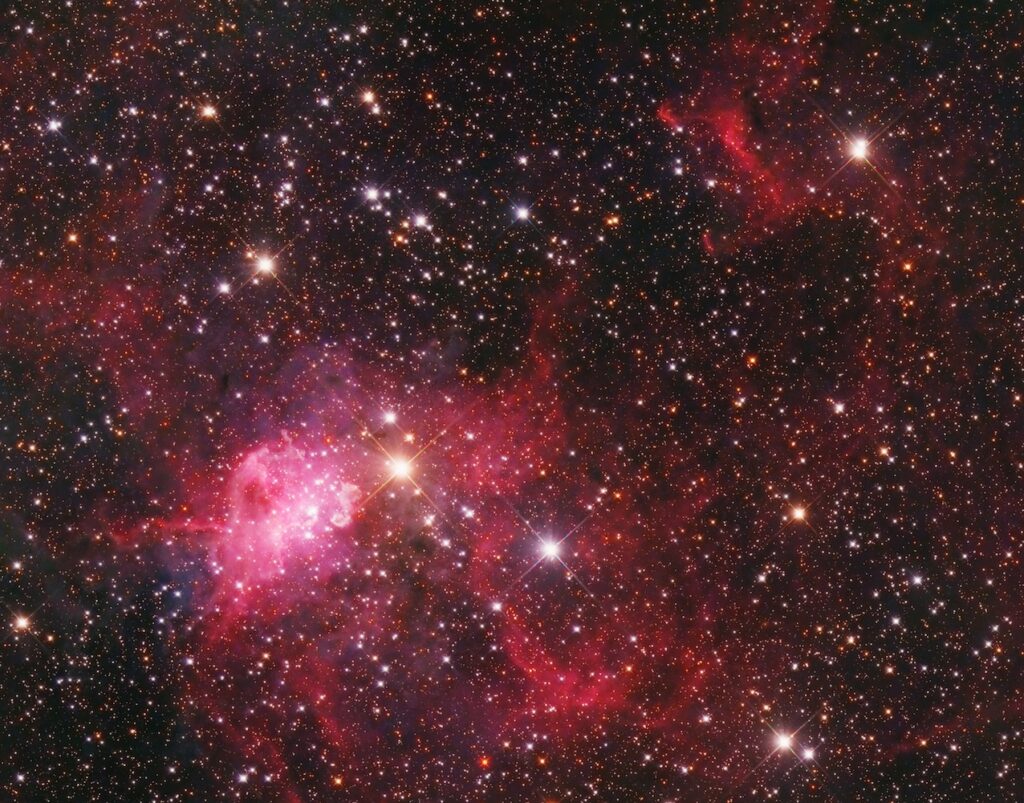
This was a lucky end to the year, just one day before going home for Christmas. Also, this was the second time that I captured these objects. The first time was six weeks earlier from Izu-Hokkawa (伊豆北川) on a side trip after the Epsilon purchase. I used a RedCat 51 with a Canon R6 mirrorless camera, mounted on an ultra-portable Teseek Mini 11 on a Geekoto CT28X tripod, controlled by a Raspberry Pi using Kstars/Ekos on Stellarmate OS. The setup was glitchy due to WiFi timeouts, and I only got about 30 minutes of good data, but good enough for a color comparison. (When I perfect this portable travel setup I’ll do a post on it!)
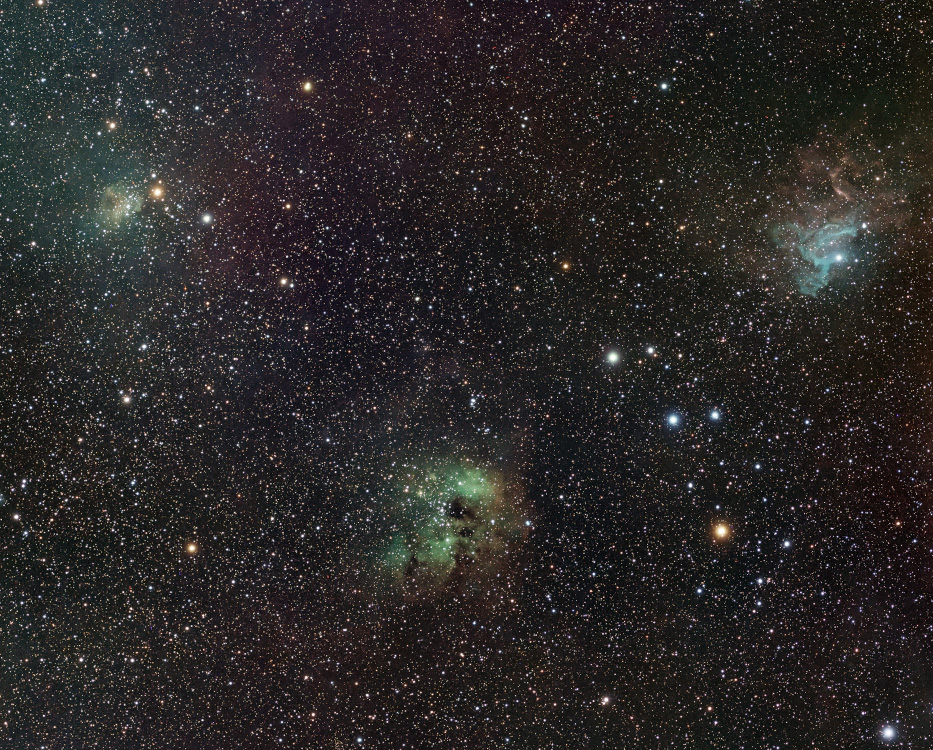
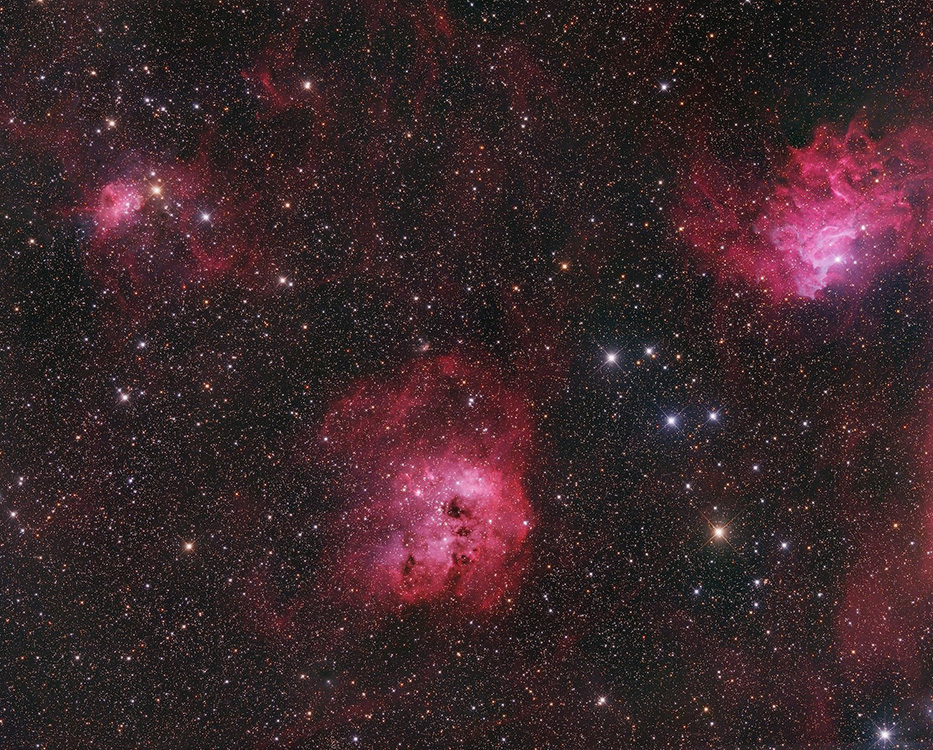
The color difference is real — not post-processing! It arises differences in the camera sensors’ filter stacks. I’ll do a post about that in the future, but the main conclusion is that all day-use cameras (DSLRs, mirrorless, phones…) strongly filter near-IR light, including the Hα emission from diffuse nebulae. This gives objects a green/blue tint vs. the astro camera, which renders them a strong red.
Second Night: Pebble Beach
The new year came around, and we had a lucky clear-ish night on 1/8. This time I aimed to shoot Dreyer’s Nebula, a small blue reflection nebula that rises in the east after Orion. I shot it from Pebble Beach in Rockport (~1h from Boston), which has an unobstructed ocean view to the southeast, giving clear views of the rising constellations without light pollution. Also a great place for spring Milky Way shots — must try that later!
The flat-corrected frames show reverse vignetting with bright corners and a dark center, almost as though the flats were “over-correcting”. Here’s the luminance frame as an example:
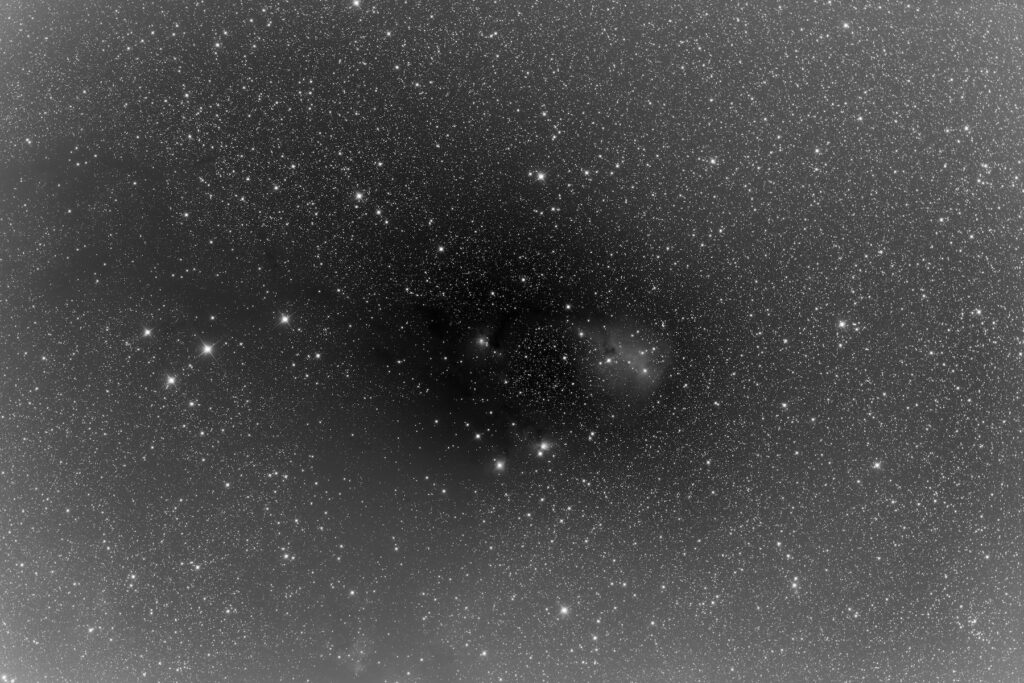
Although there was no traffic along the road, it was cold outside and I kept the car on to stay warm. I believe that the headlights introduced some stray light into the camera, causing this pattern. Nevertheless, this was somewhat easier to deal with than the gradients from the first night, since they have the same vignetting pattern as the flat frames. A little PixelMath tweaking removed most of it.
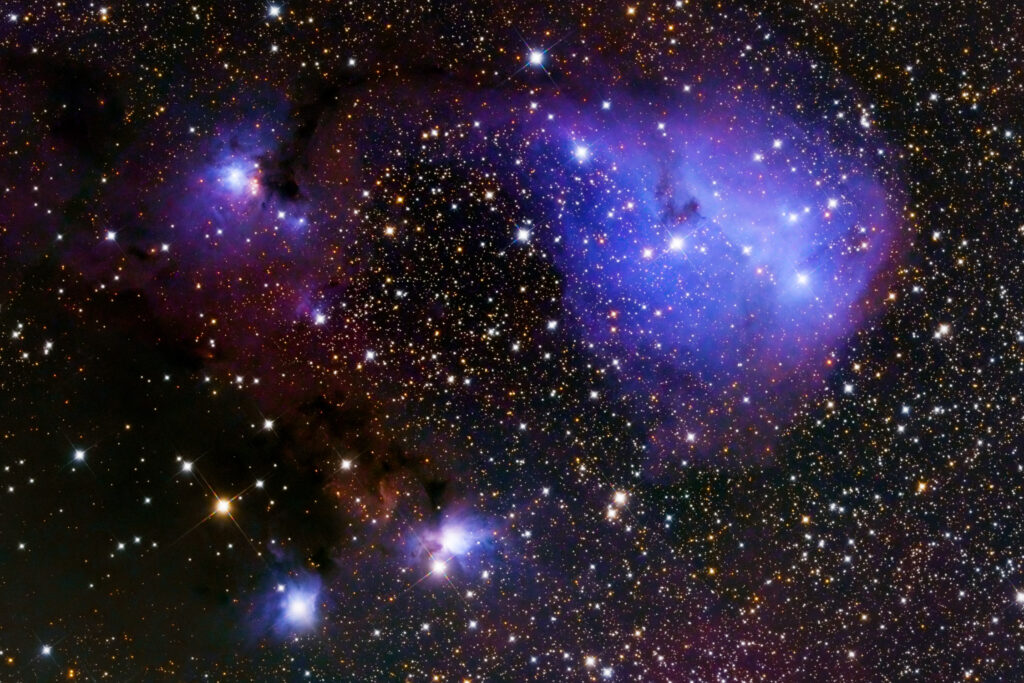
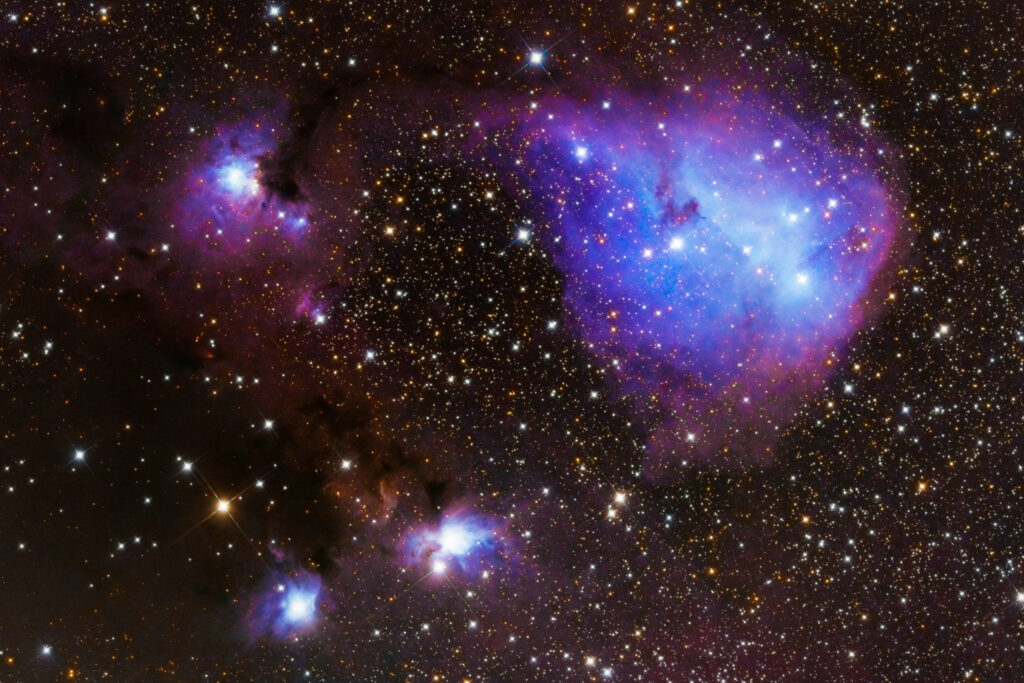
The nebula looks like an “egg” with a blue core surrounded by a shell of H-alpha emission. You can edit it in different ways, depending on what you want to emphasize. Here are two different perspectives.
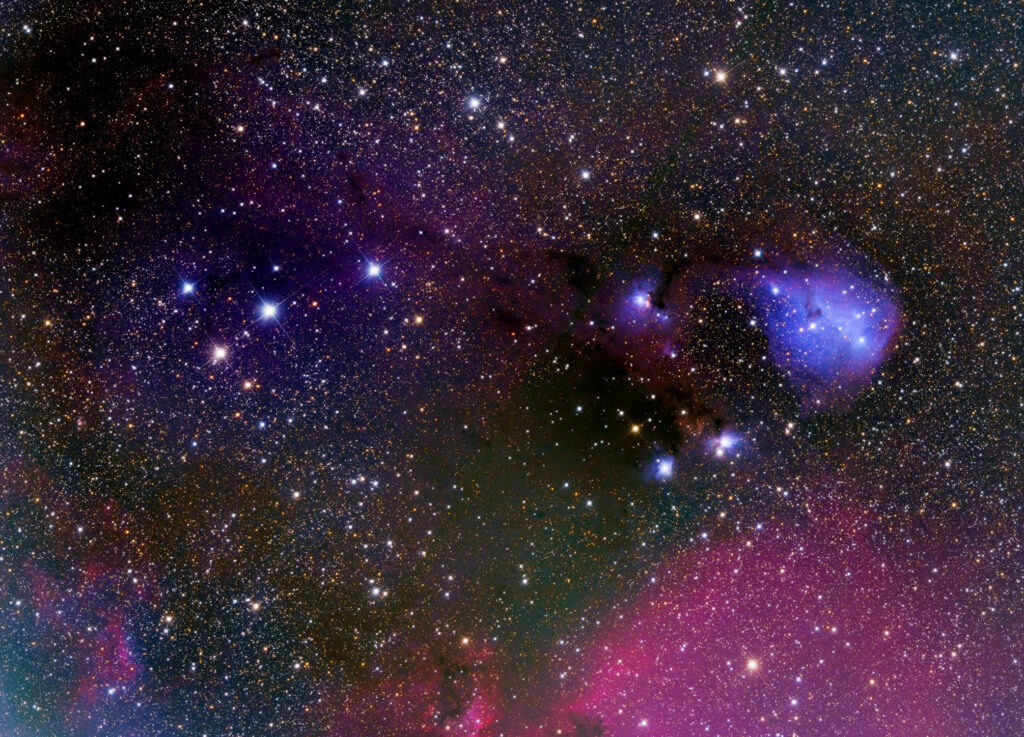
And here’s a zoom-in on the nebula itself:
Third Night: Orion
Since Pebble Beach worked out well, I came back again on 1/16 to shoot the Orion Nebula. I’m starting to appreciate how convenient f/2.8 optics can be for this hobby. Compare to an f/5 scope, the Epsilon collects 3.2x more light! This means that a job that used to take all night long can now be done (at equal or better image quality!) in only 3-4 hours. Instead of camping out all night or booking a countryside cabin, I can get stellar results and still be back in bed by 1:00.
Orion had almost no issues with stray light! Frames were flat-corrected almost perfectly. Part of it was better placement of the car, but part of it was the target. Orion is one of the brightest objects in the sky. Here is the final image, recolored to bring out the bright red-pink, like a cosmic rose petal.
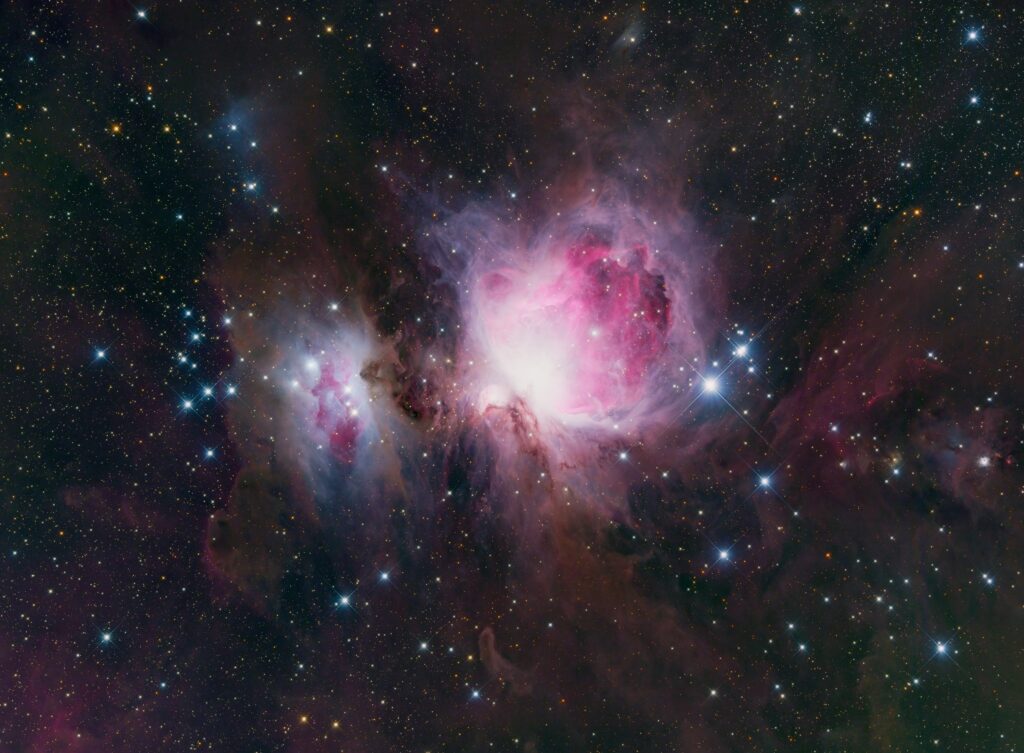
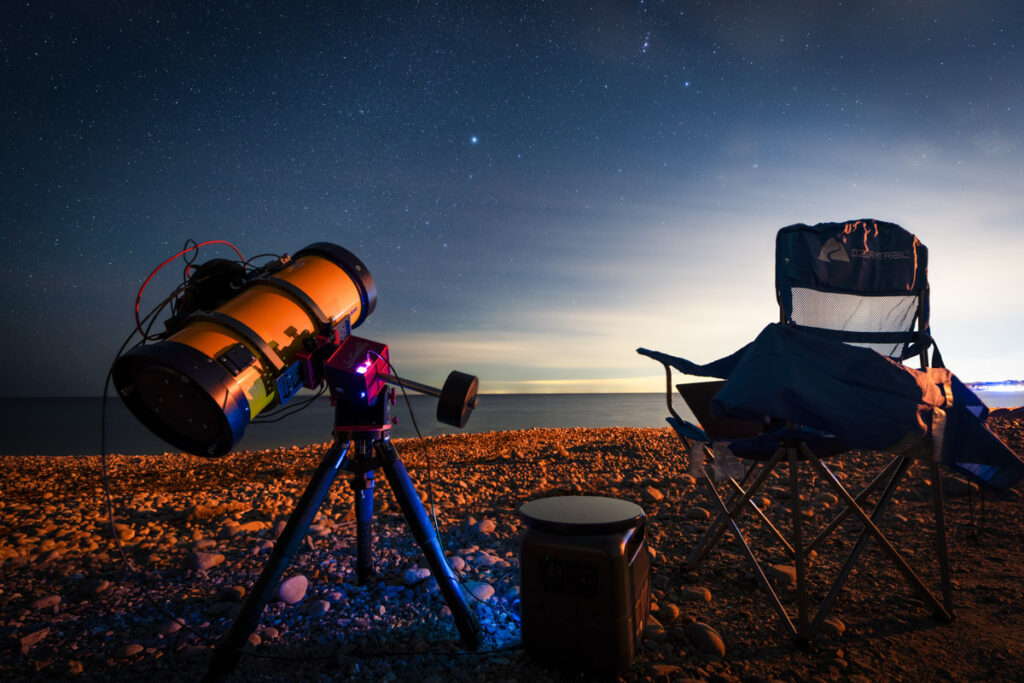
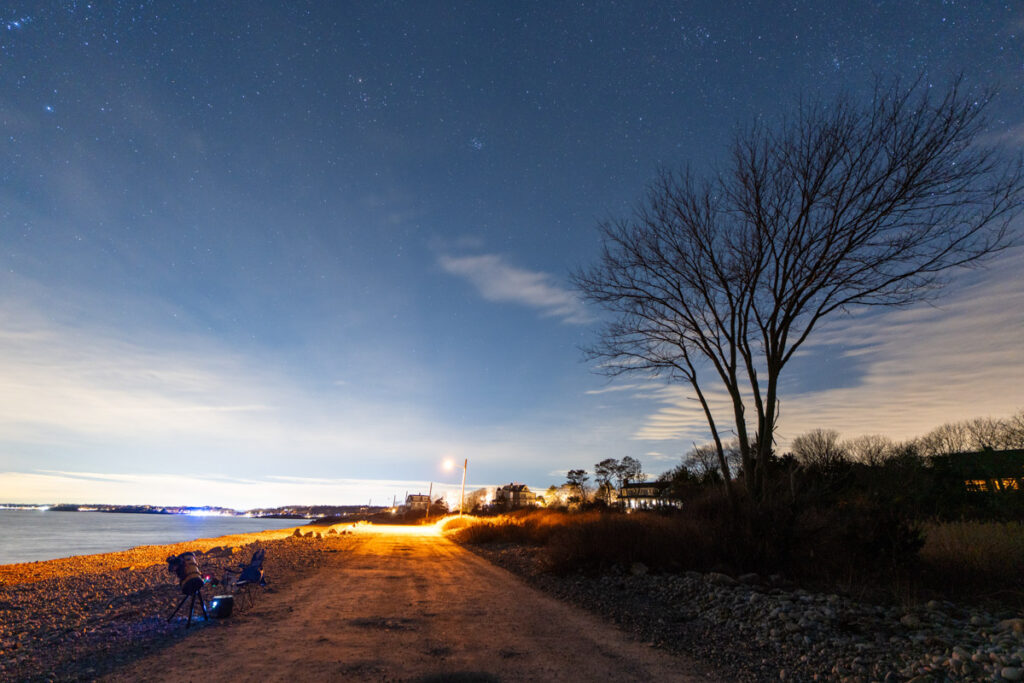
And lastly, no post would be complete without a picture of the instrument itself, hard at work through the cold night. If you know your constellations, the Orion nebula is easy to locate in both of these pictures! Actually, back in the day when I was just getting into this hobby, I took some night-sky pictures of the Orion region with a wide-field lens, and was annoyed that one of the “stars” was always blurred and looked out-of-focus. One year later and zooming in to 504mm, this “blurry star” is one of the most beautiful (and certainly one of the brightest) objects in the night sky.
My ε-180ED Shopping Story
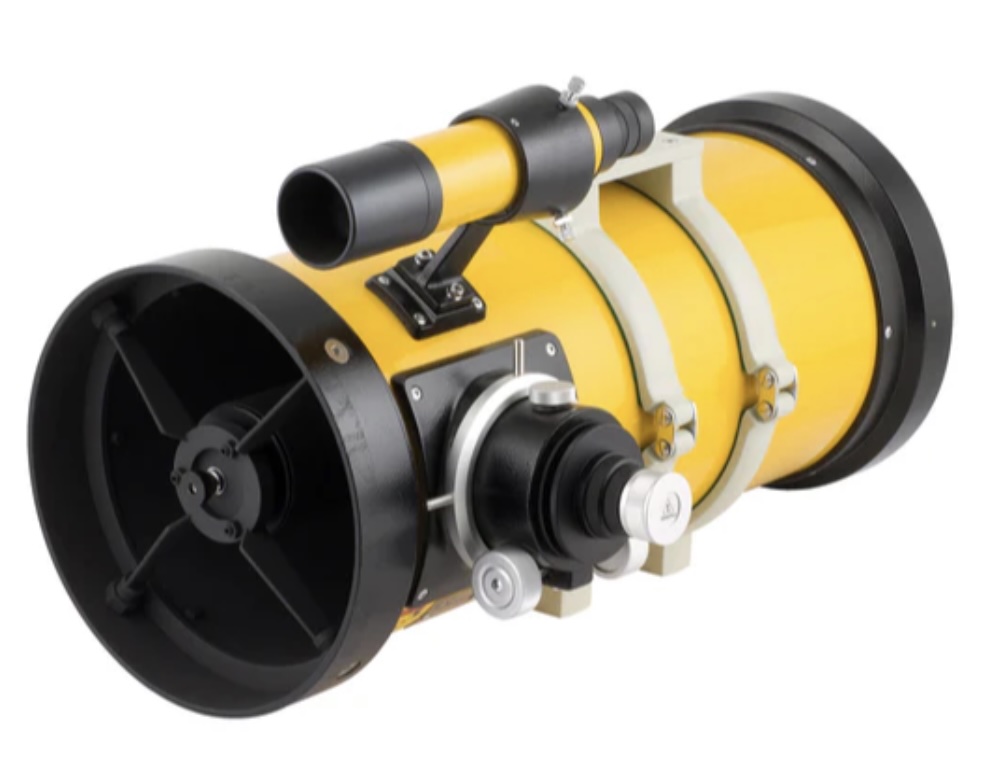
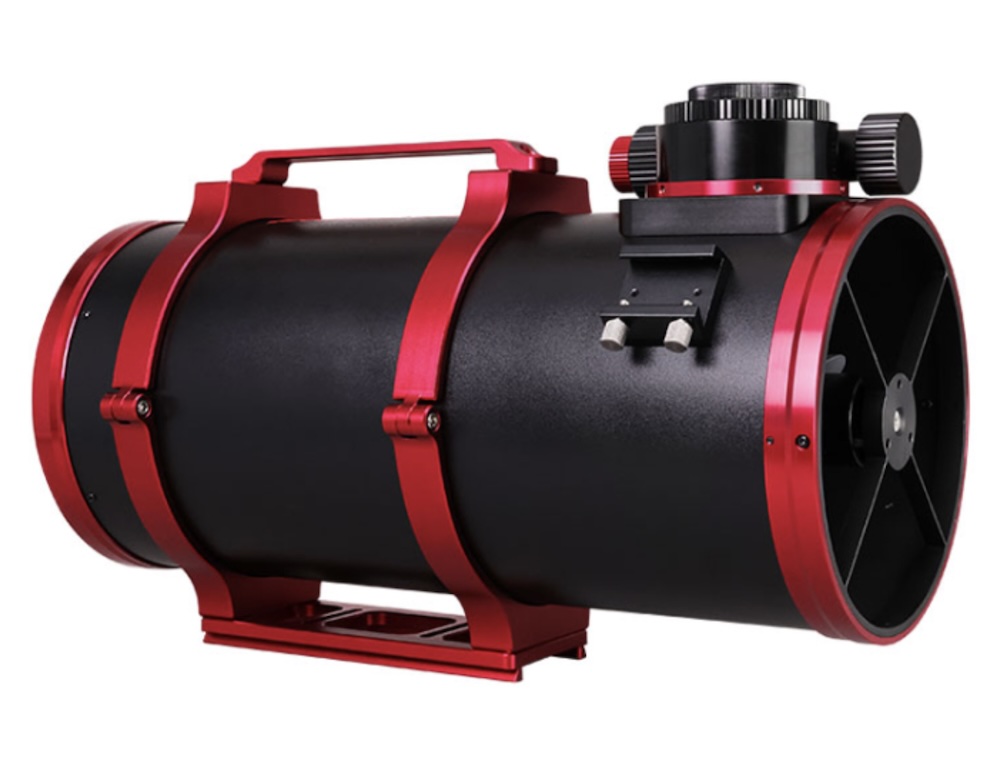
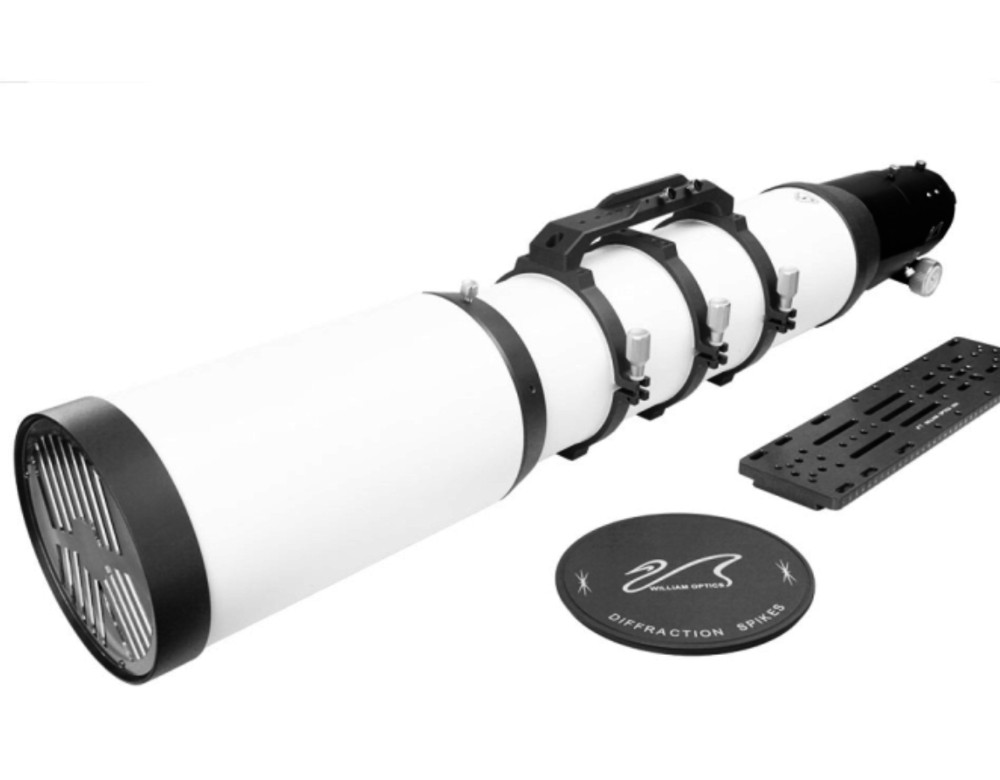
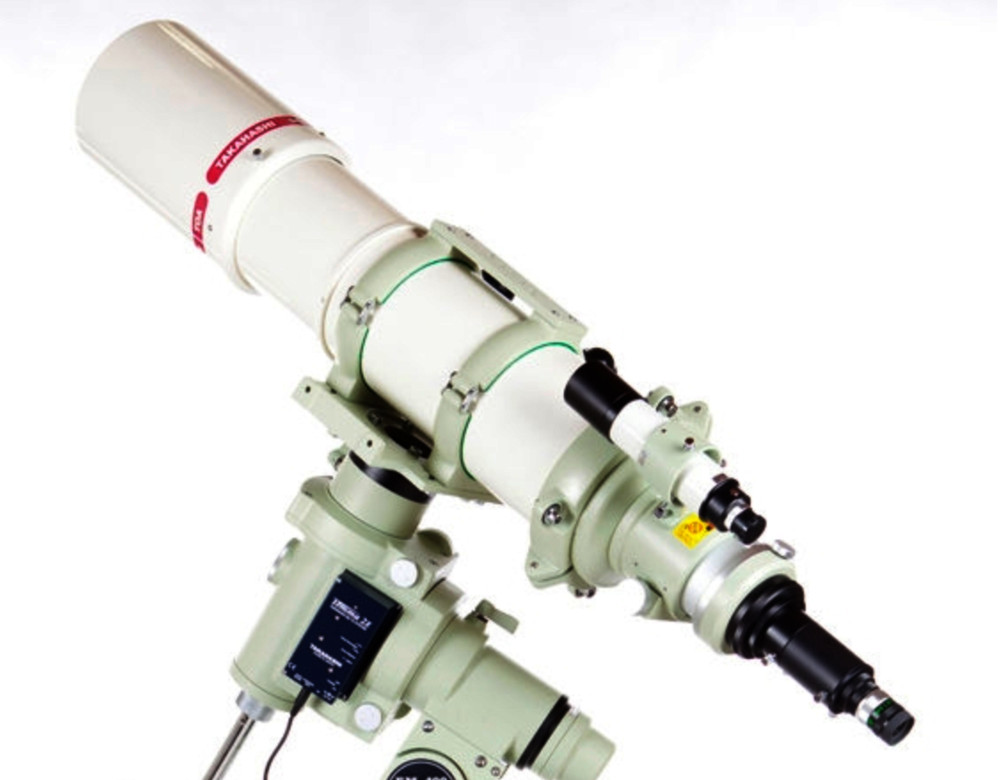
Purchasing an ε-180ED was the result of several months’ research. First, why did I even want it? The ε-180ED has the same field of view as my FSQ-106, but a larger aperture and faster optics, making it an upgrade for faint objects. But it is one of many 6-8″ telescopes available on the market, like the options below. Most of these are Newtonian or Schmidt-Cassegrain reflectors. There are some refractors in this size range too. However, they are specialty instruments, large and pricey.
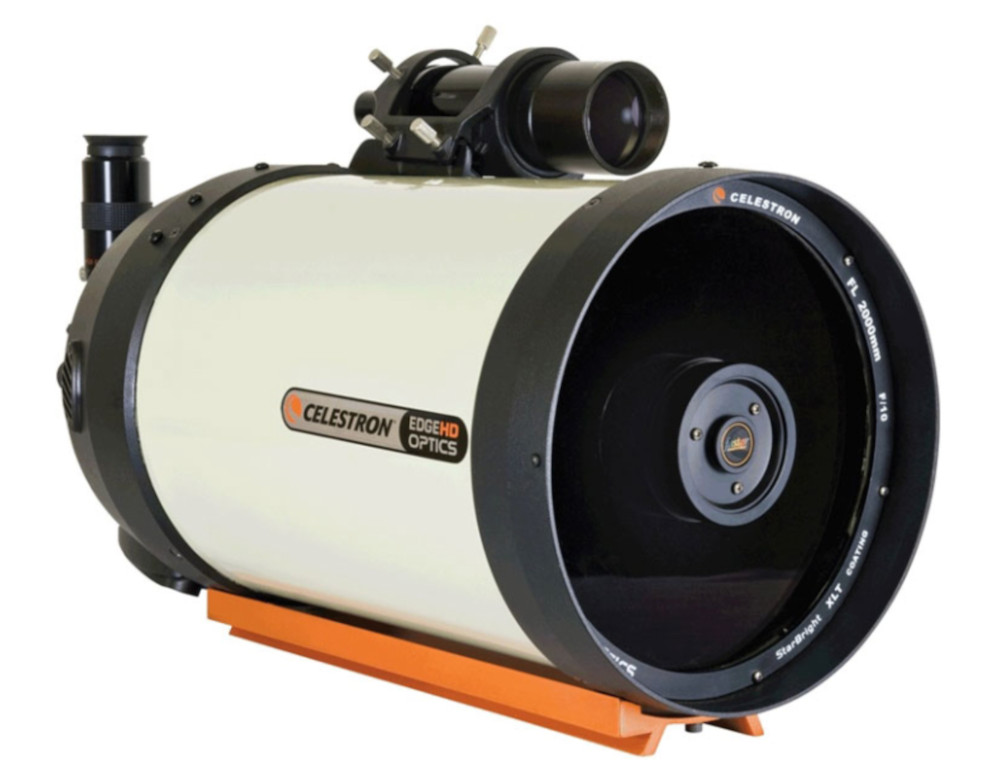
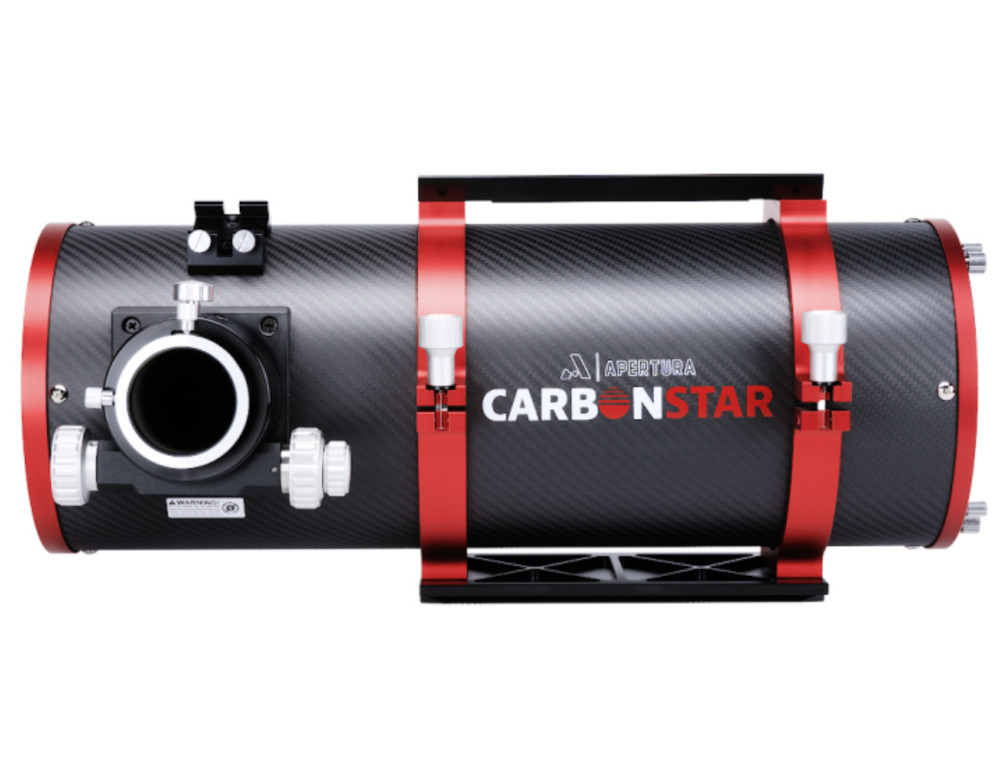
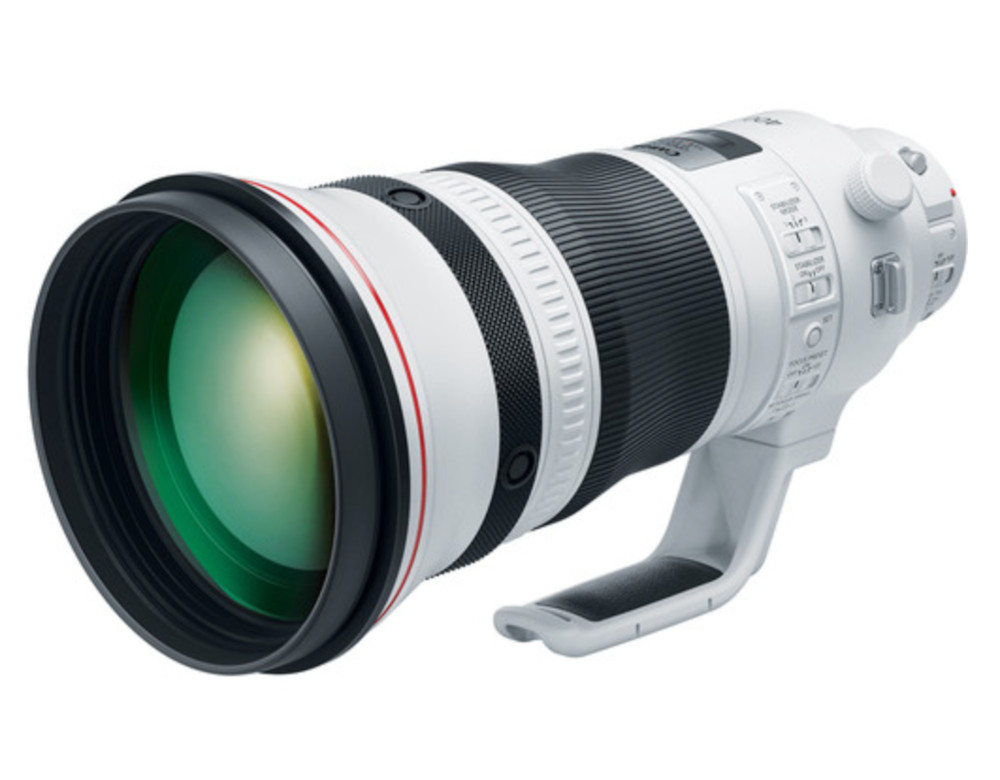
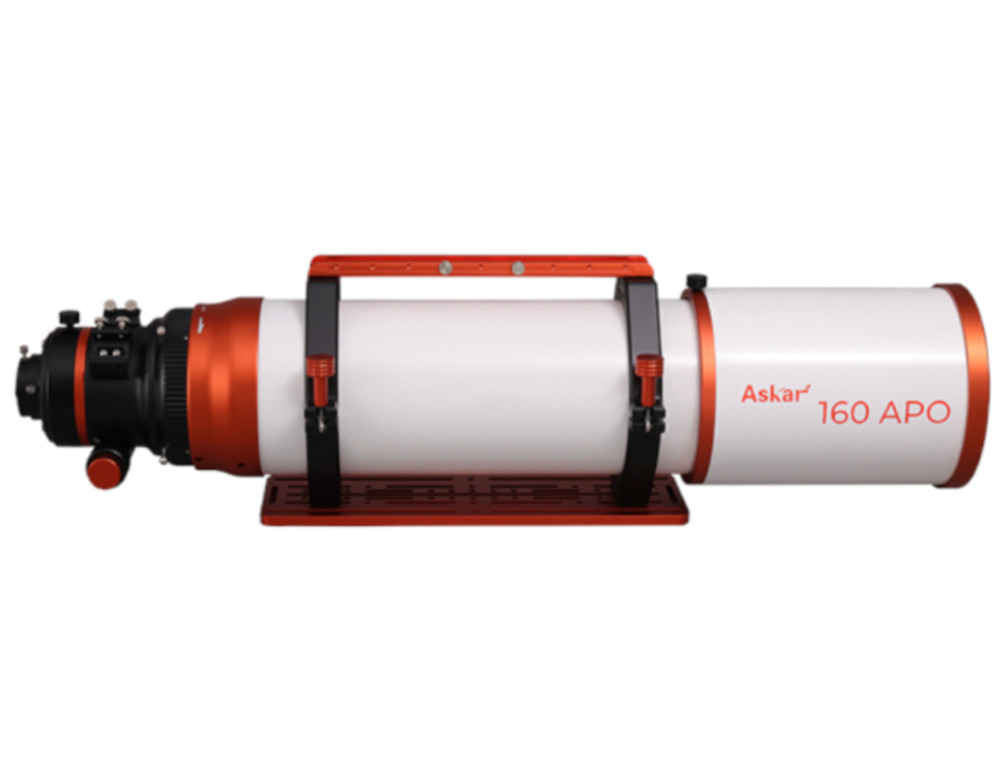
| Aperture | FL | f/# | Option | IMG | FOV | Weight | Cost | ||
| Takakashi ε-180ED | 180 mm | 504 mm | 2.8 | f/4.3 | 44 mm | 2.8 | 5.0º | 10.7 kg | $4,700 |
| Sharpstar HNT150 | 150 mm | 420 mm | 2.8 | 44 mm | 2.8 | 6.0º | 6.0 kg | $2,000 | |
| Celestron C8+Hyperstar | 203 mm | 380 mm | 1.9 | f/7, f/10 | 28 mm | 3.0 | 4.2º | 7.5 kg | $2,700 |
| Apertura Carbonstar 150 | 150 mm | 600 mm | 4.0 | 28 mm | 6.3 | 2.7º | 4.7 kg | $1,200 | |
| Canon EF 400mm f/2.8 L | 140 mm | 400 mm | 2.8 | 44 mm | 2.8 | 6.3º | 2.8 kg | $13,000 | |
| Askar 160APO + 0.8x FR | 160 mm | 900 mm | 5.6 | f/7 | 44 mm | 5.6 | 2.8º | 12.5 kg | $4,300 |
| WO Fluorostar FLT-156 + 0.72x FR | 156 mm | 880 mm | 5.6 | f/7.8 | 44 mm | 5.6 | 2.9º | 17.0 kg | $10,000 |
| Takahashi TOA-150 + 0.7x FR | 150 mm | 775 mm | 5.2 | f/7.2, f/11 | 44 mm | 5.0 | 3.3º | 16.5 kg | $14,000 |
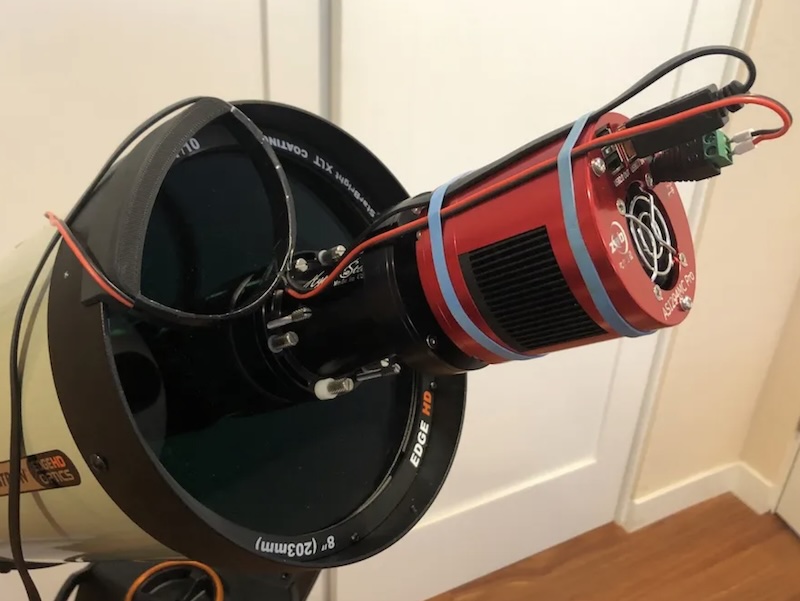
The refractors are all f/5-f/7 class, which would give a narrower field of view (with the exception of the f/2.8 Canon lens — not sure how well the stars render wide-open). They are also big and pricey! This is why most astronomers pick reflecting telescopes for sizes above 4″ (100 mm). Of these, there are very good “budget” models like the Apertura Carbonstar, as well as affordable high-end options like the Sharpstar HNT150 and the Celestron C8+HyperStar. I wanted more aperture than the HNT150, and demanded a filter wheels for mono imaging, which isn’t compatible the Celestron+HyperStar’s camera placement (below). So this left the ε-180ED. This choice also has the advantage of two focal lengths: 504mm @ f/2.8, and 750mm @ f/4.3 with the 1.5x Extender ($1,000, sold separately). The other Newts didn’t offer this option.
The Takahashi is more expensive than the other reflectors, but a lot of this comes down to differential pricing. It is the Mercedes-Benz of telescopes, a premium import for a premium price, but in the Japanese market it is much more affordable. This is pretty obvious when comparing the listings at Starbase Tokyo to an American retailer like Land Sea & Sky. Depending on the exchange rate, the difference can be large — 30% or more! But taking advantage of this discount involves some risk:
- No returns.
- Voids the warranty. Local shops will charge you for repairs. Since you purchase it as a tax-free export, even if you come back to Japan later, I think they cannot service it under warranty.
- You must handle shipping to your home country. Retailers like Starbase will not ship internationally on your behalf, as this breaks Takahashi’s noncompete agreements.
- Risk of damage during transit. Even if the shipper is insured, optics damage can be very subtle (misaligned lenses, etc.) and it may be difficult to get compensation.
- You must pay all import duties and use tax, if applicable.
Back in June 2025 just after my Japan Alps / Ginza Panorama hike (described in an earlier post), I visited Starbase to inquire about the ε-180ED and put in a formal order. Since this is a low-volume unit, I had to wait 6 months and pick it up in the winter. But manufacturing went ahead of schedule, and it was ready by late October, so I flew out to Japan right before Halloween (a very rainy Halloween in Tokyo!), and picked it up in-person. By this point, shipping to the U.S. had become much more challenging due to tariffs and the elimination of the de minimis import exemption. As a result, Japan Post was refusing all high-value shipping, and many private services like Yamato would refuse to do business with non-residents altogether. The best alternative I could find was Tenso, an import service that specializes in Japanese-market commodities that are difficult to find outside the country. Even if you never set foot in the country, Tenso lets you set up a personal P.O. box in their Tokyo warehouse, where you can ship items for international export. They arrange for shipment using a standard courier (FedEx, DHL, etc.) and handle customs paperwork on your behalf. And because much of their import market is cheap stuff, their fee is very low!
So my visit was a stressful 3-4 days:
- Pick up the telescope in person, carry it back to the hotel. Starbase packaged everything sufficient for domestic transport.
- Research import options. Yikes, tariffs and paperwork! Multiple rejections. Discover Tenso. Set up the Tenso account.
- Ship telescope boxes to Tenso P.O. box, via domestic Yamato at the local Daily Yamazaki.
- Travel the world, request Tenso to hold boxes at warehouse for 2-3 weeks.
- Return to U.S., release hold, get boxes a couple of days later.
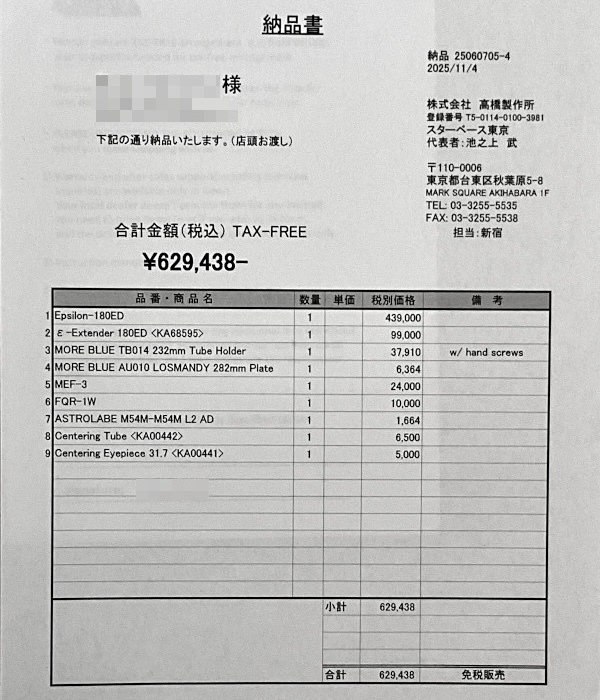
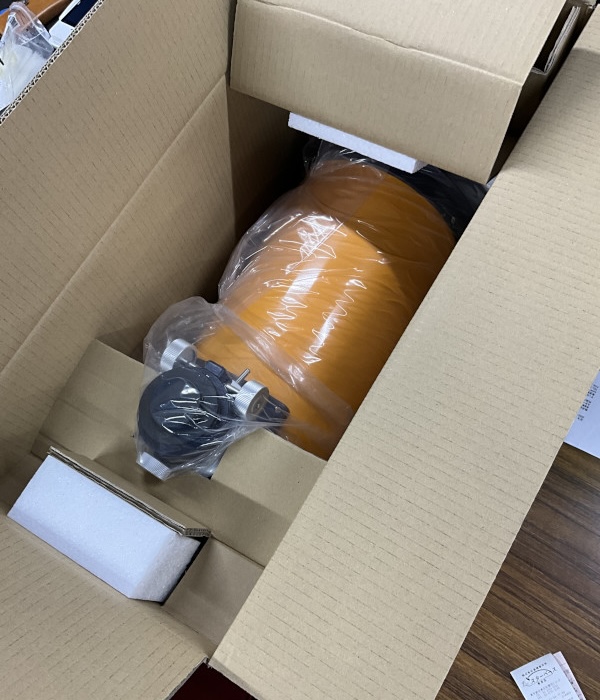
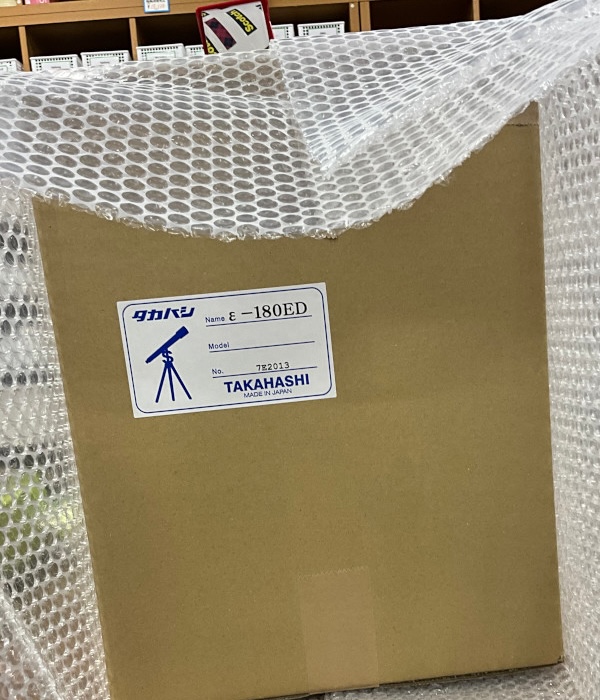
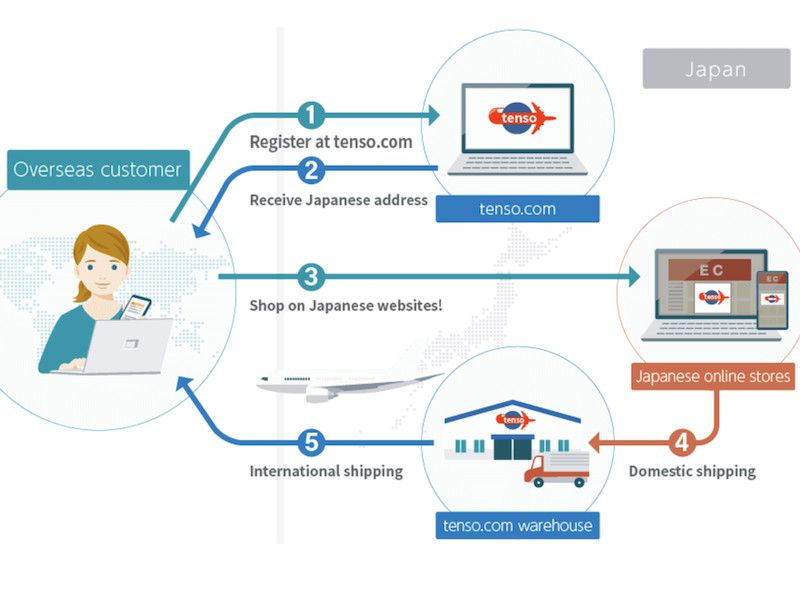
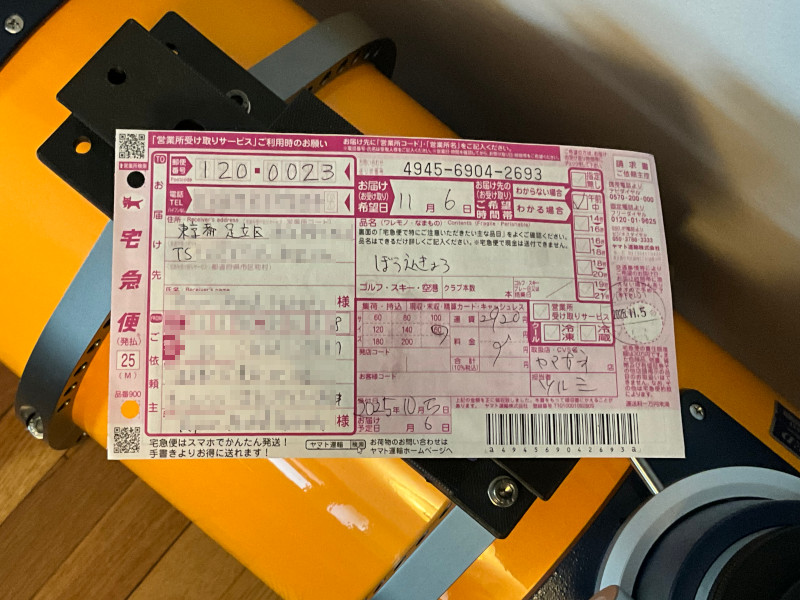
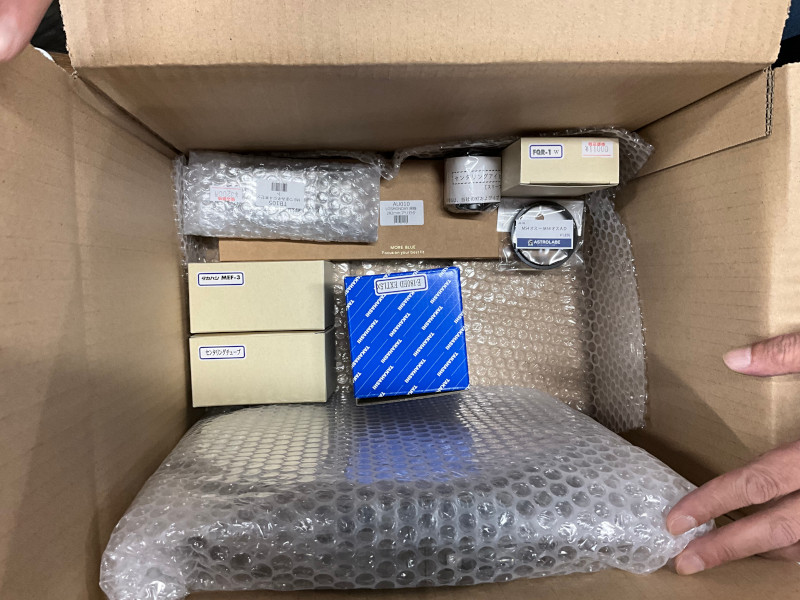
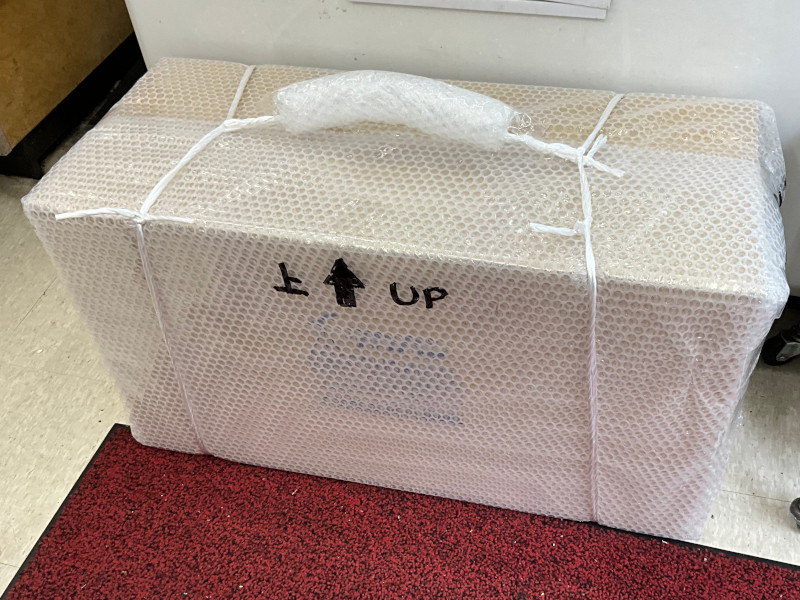
Below, I provide a detailed cost accounting to prove that this purchase strategy was the most cost-effective, even after taking into account tariffs and shipping costs. This is based on prices and exchange rates as of November 2025 and may not be up-to-date.
Despite the extra costs, it clearly pays off. It even covers the plane ticket! And when you are done shopping at Starbase, be sure to check out the great photo deals at Map Camera, or browse Uniqlo / Muji / Don Quijote / etc. for great clothing deals. Japanese cities are a shopper’s paradise. And remember the matcha snacks from Family Mart before leaving — you’ll be ordering them online at Tenso if you forget!