This month marks one year since I began taking deep-sky astrophotos with a telescope (I’ve been doing wide-field for closer to two). As such, this post will highlight two of my very first photos taken on my very first telescope. You can decide for yourself if they are good or not!
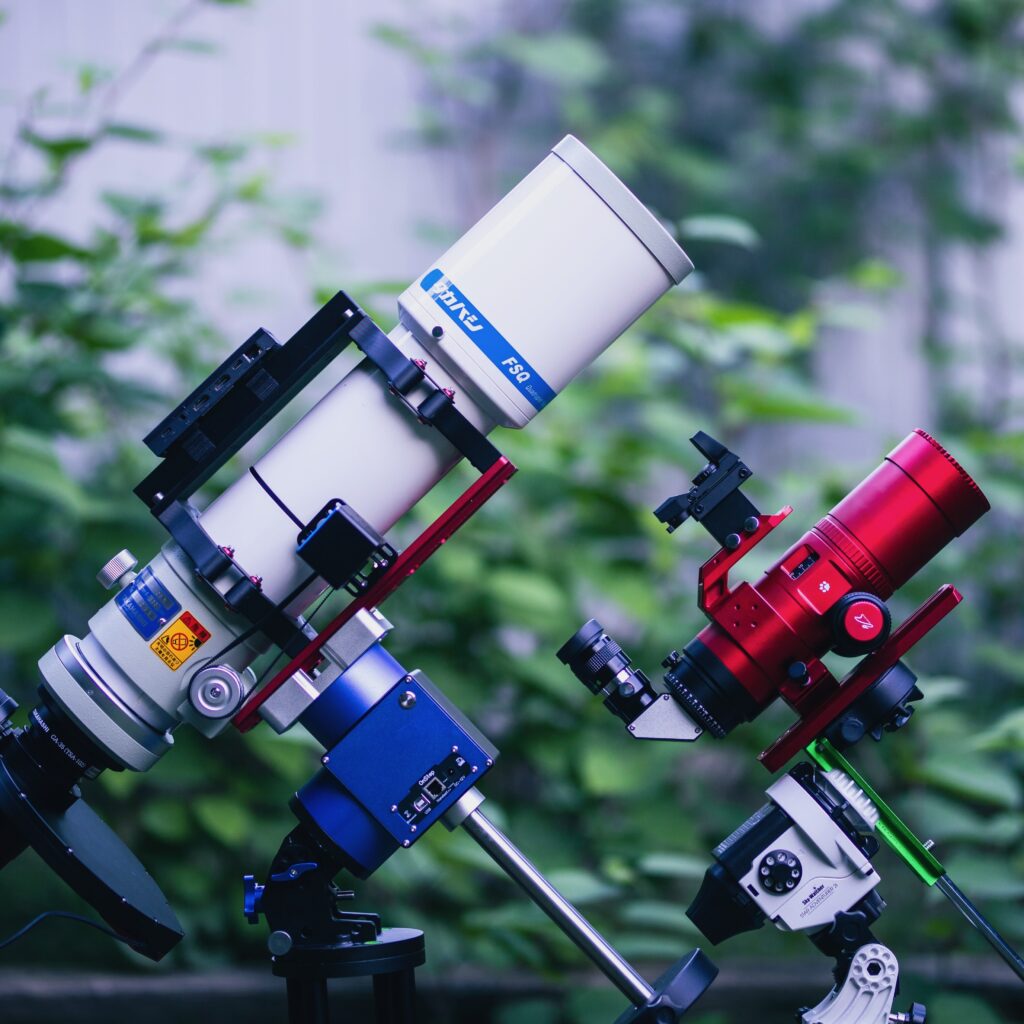
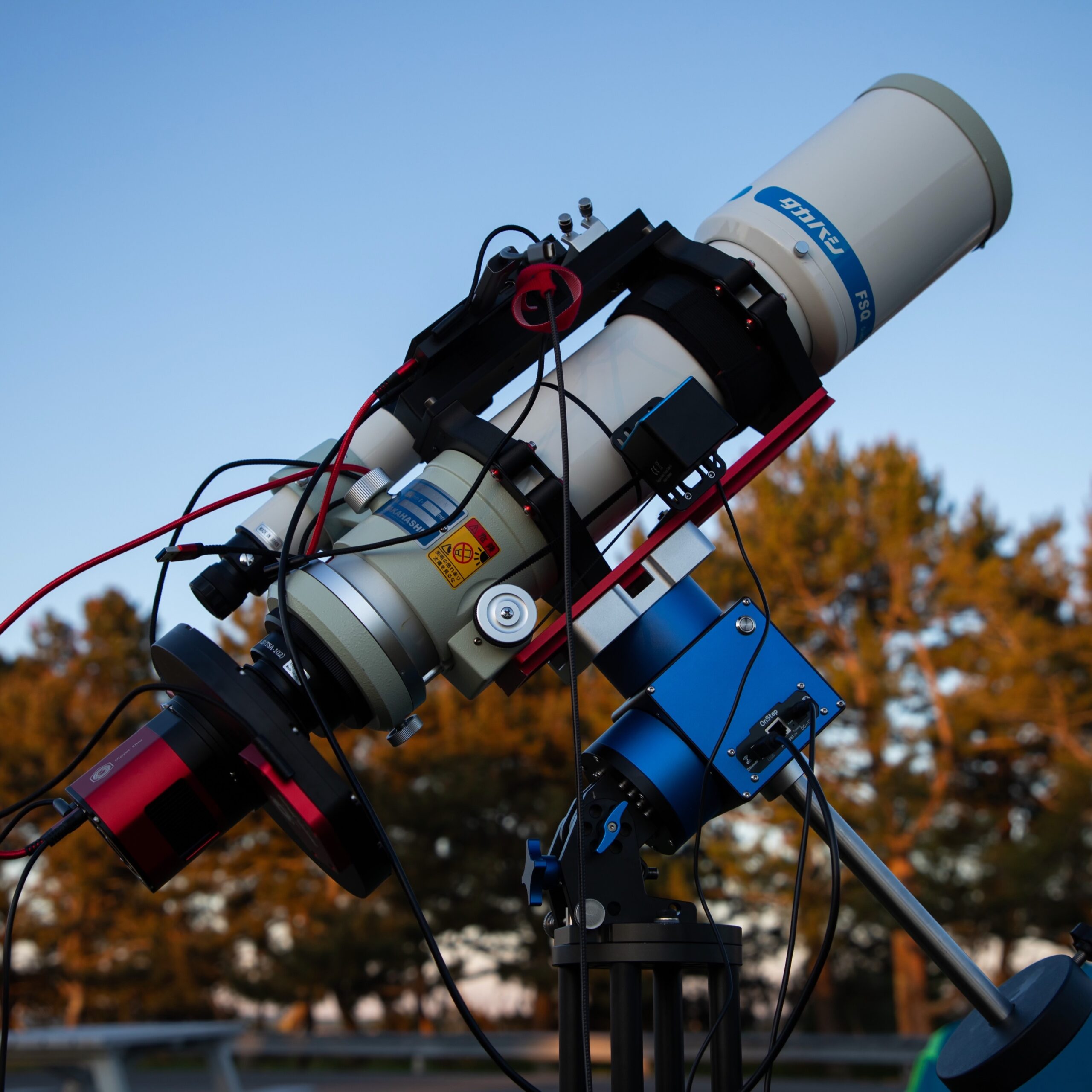
It was mid-May 2025. I had bought the Takahashi FSQ-106N two months ago, but it took a while for all the accessories to come in, and it took a bit longer to figure out how to use it. Setting up a telescope is one thing. Setting it up with a tracking mount, cooled camera, guide camera, filter wheel, and mini PC — with three-point polar alignment, guiding, dithering, and capture sequences — that’s a whole different challenge. It’s almost like running a science experiment.
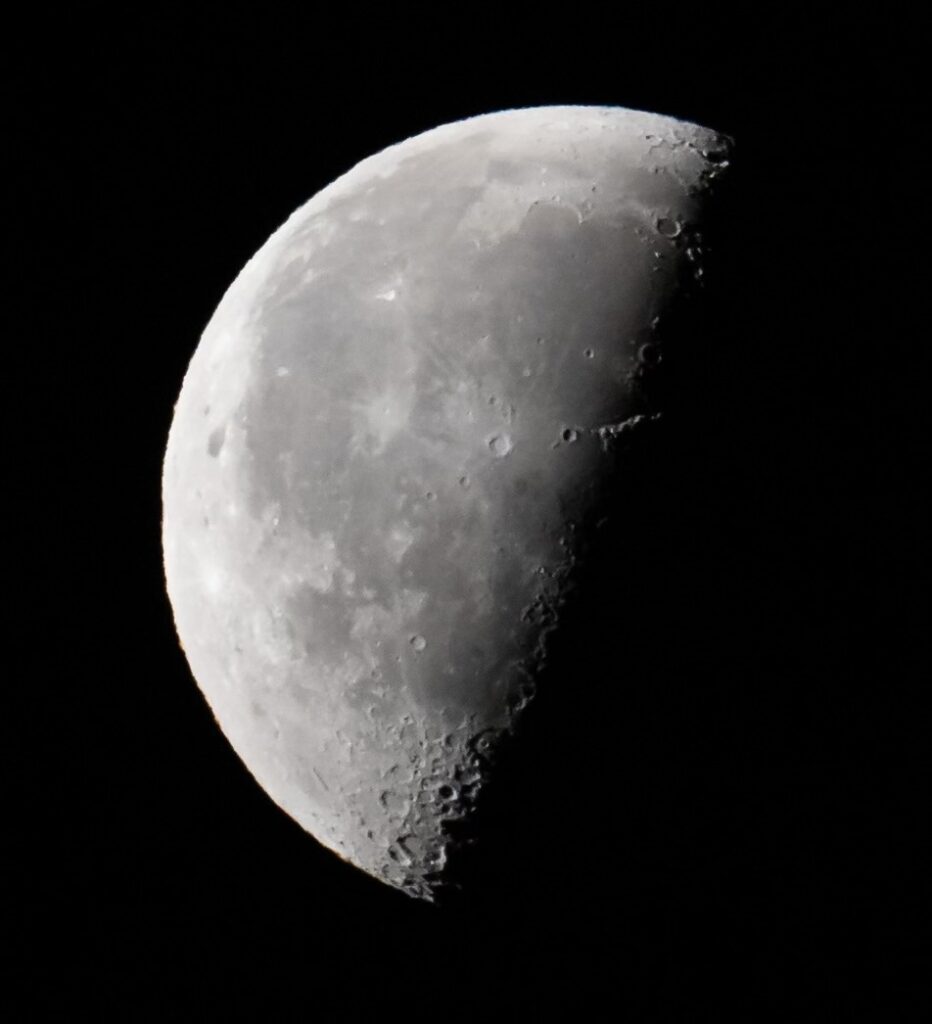
The weather in New England is highly variable in May. My first outing, to a farm in Connecticut, was a dud because it didn’t clear up until 2:00, and I was too tired to set anything up by then. All I got was the moon, and only from an iPhone looking through the eyepiece. Given that, it turned out OK.
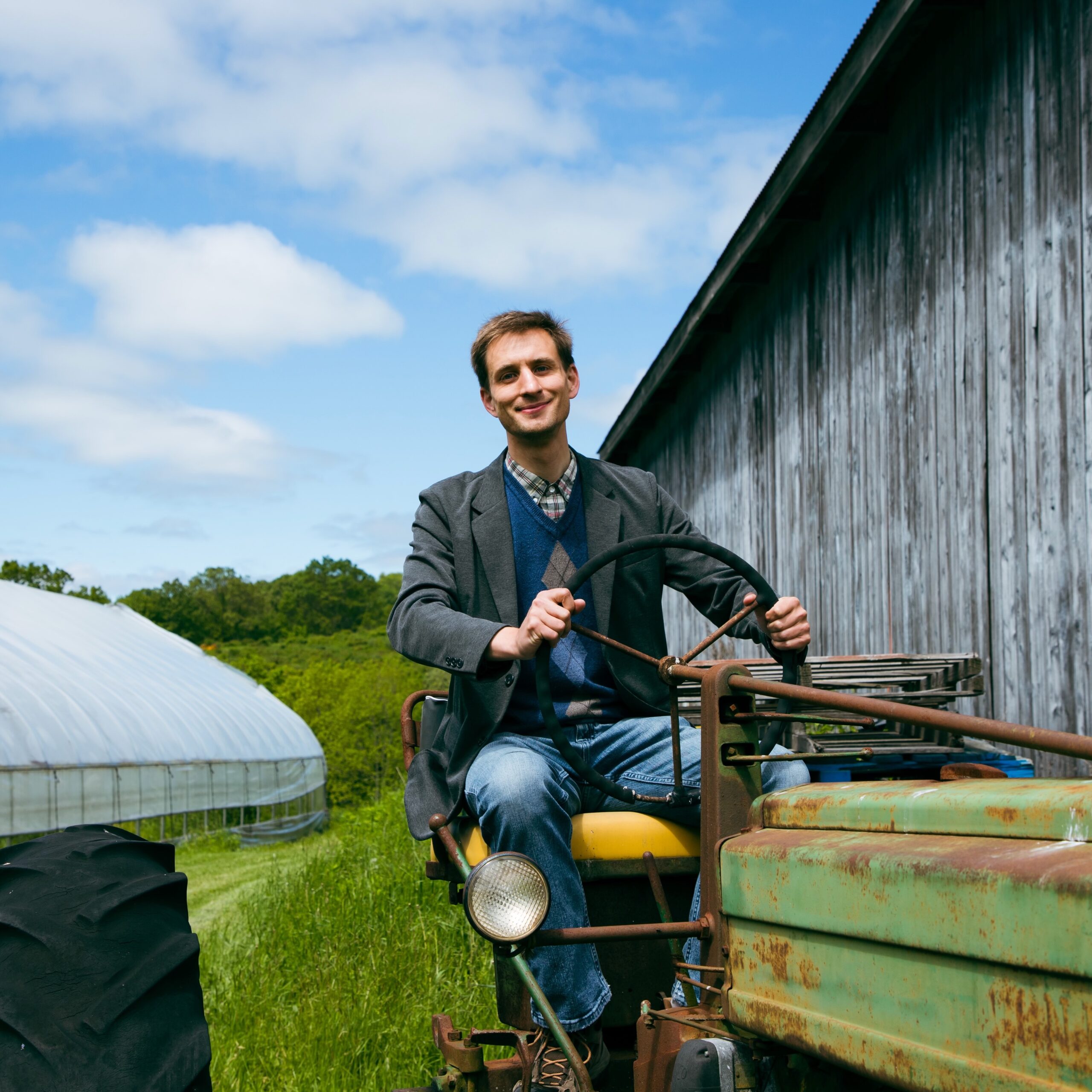
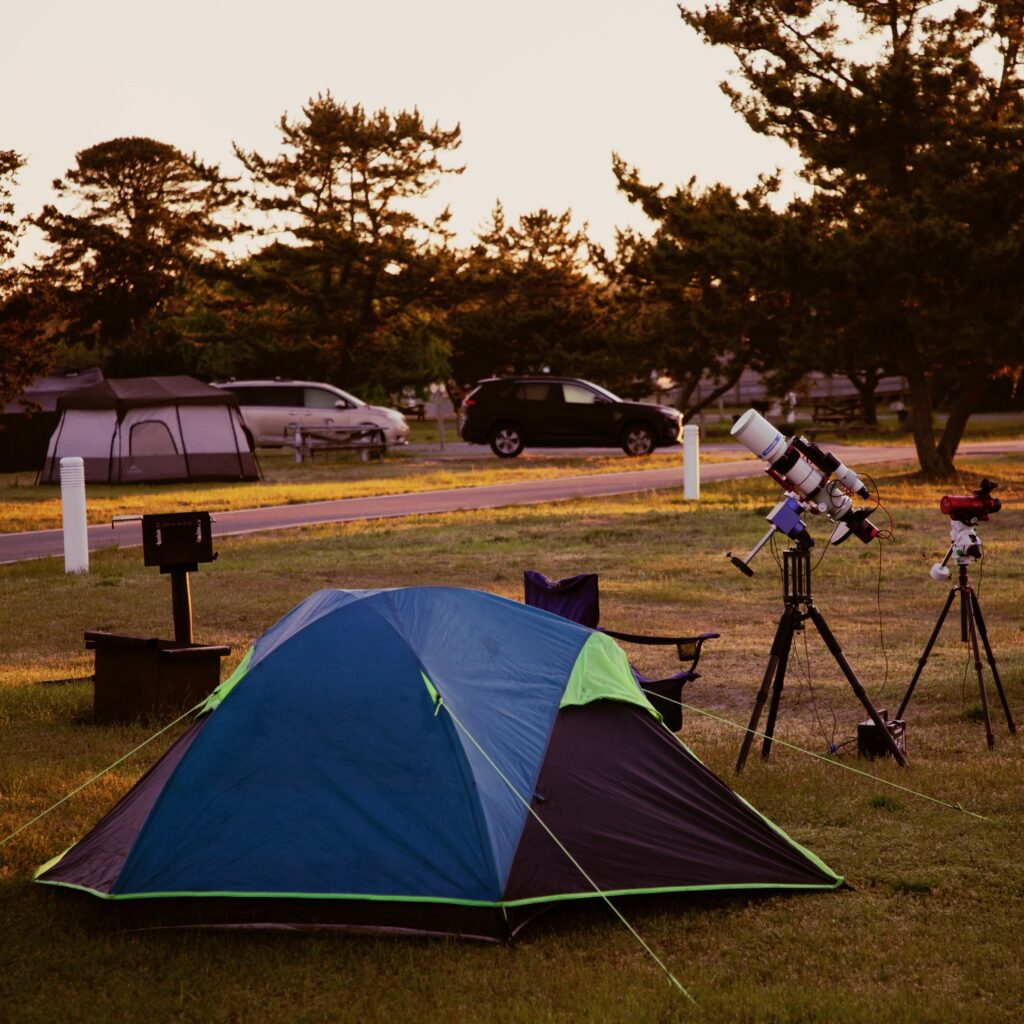
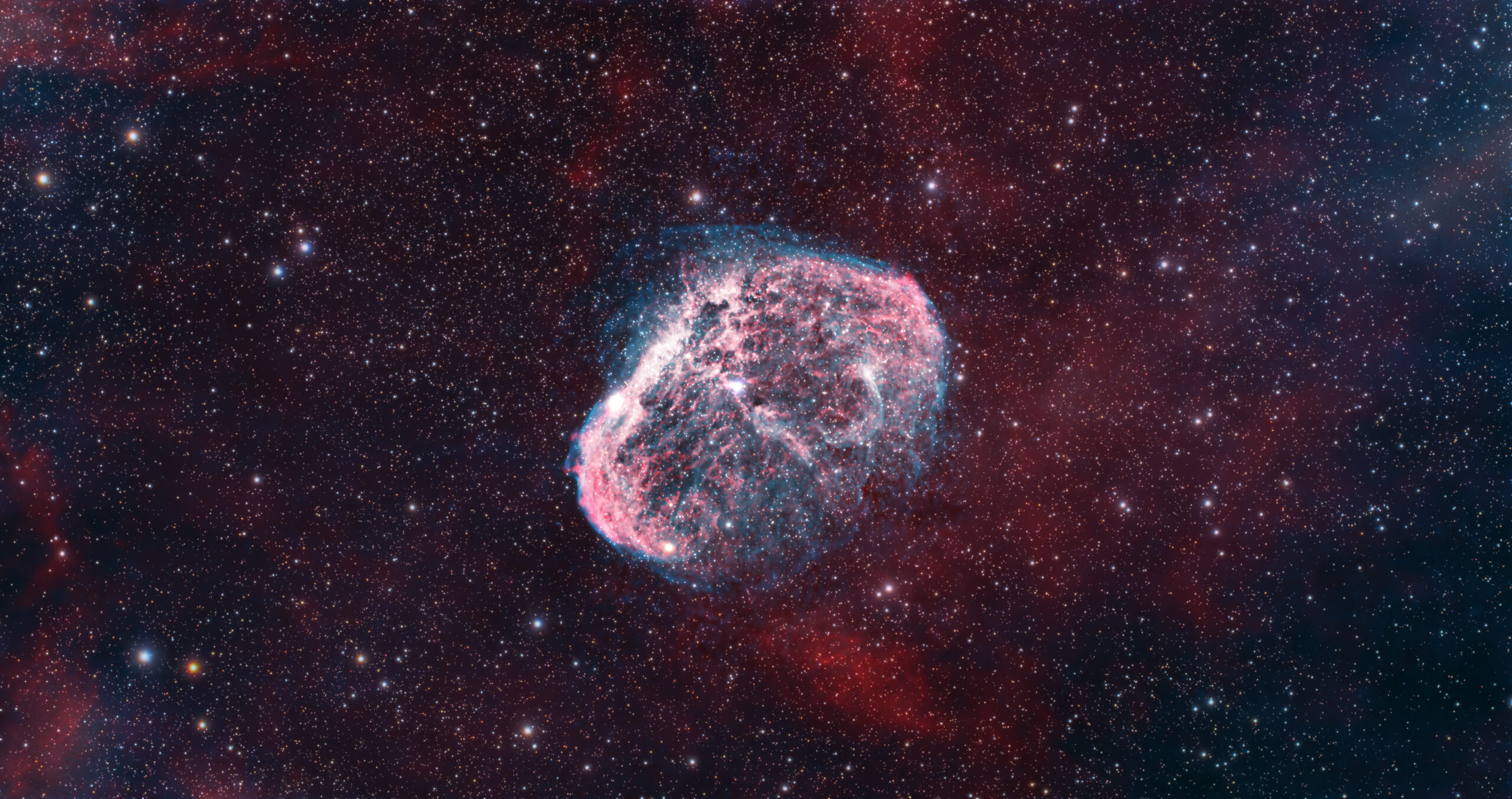
Next week I had better luck. Camping at Salisbury Beach, it was again cloudy for most of the night, only clearing up after midnight. But this time I was better prepared! Below is a shot of the nebulous H-alpha region near Sadr, in the Cygnus constellation.
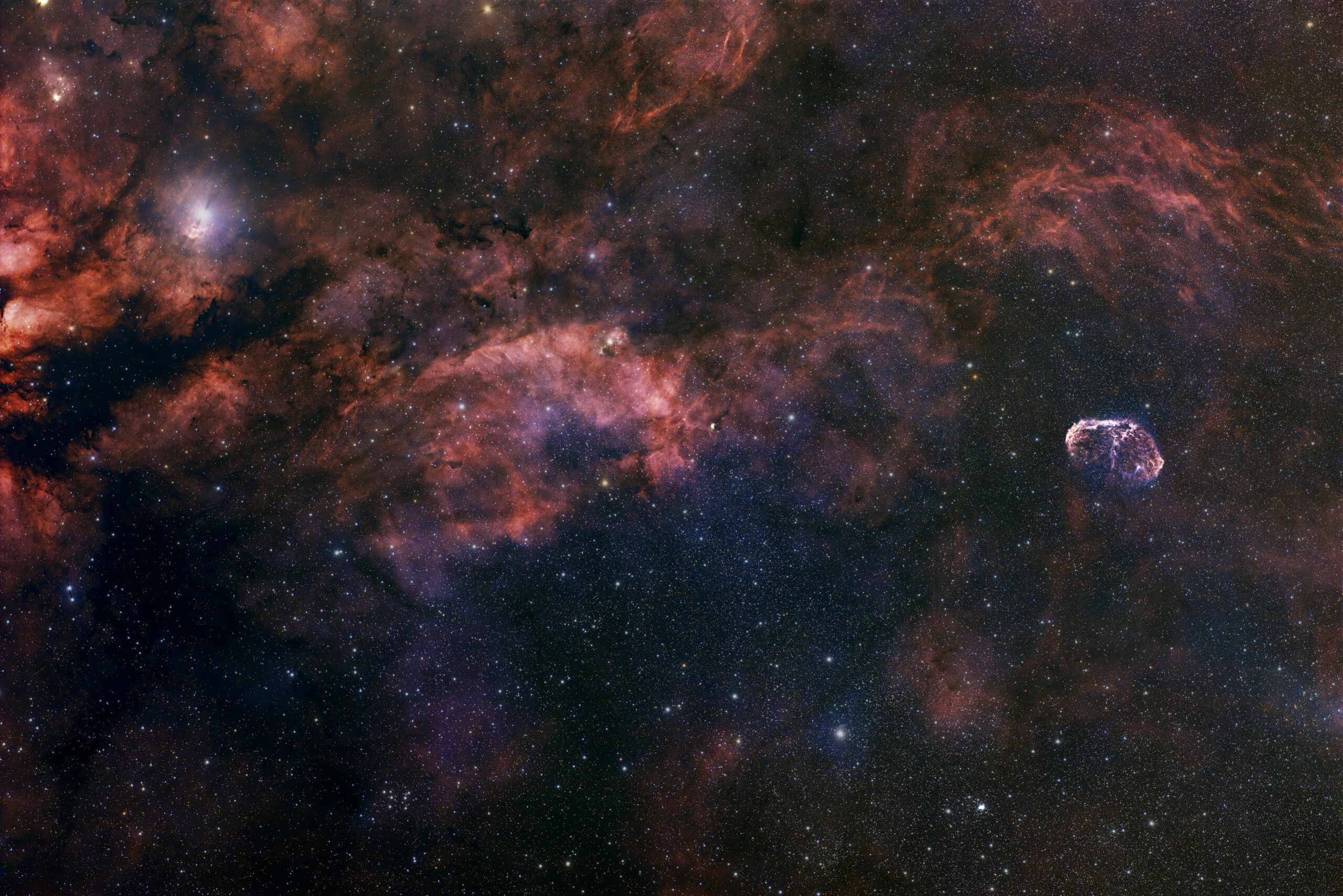
(The “brain”-shaped object to the right is the Crescent nebula. Later that the summer I would zoom in on it with the MiniCam8, which has smaller pixels, and obtain the following image:)
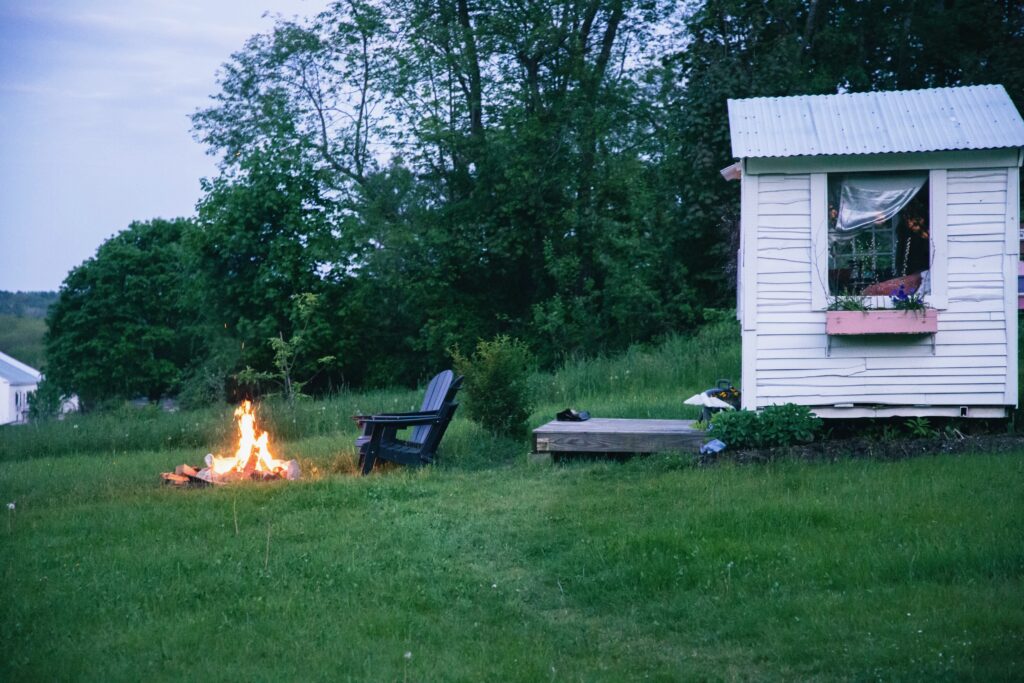
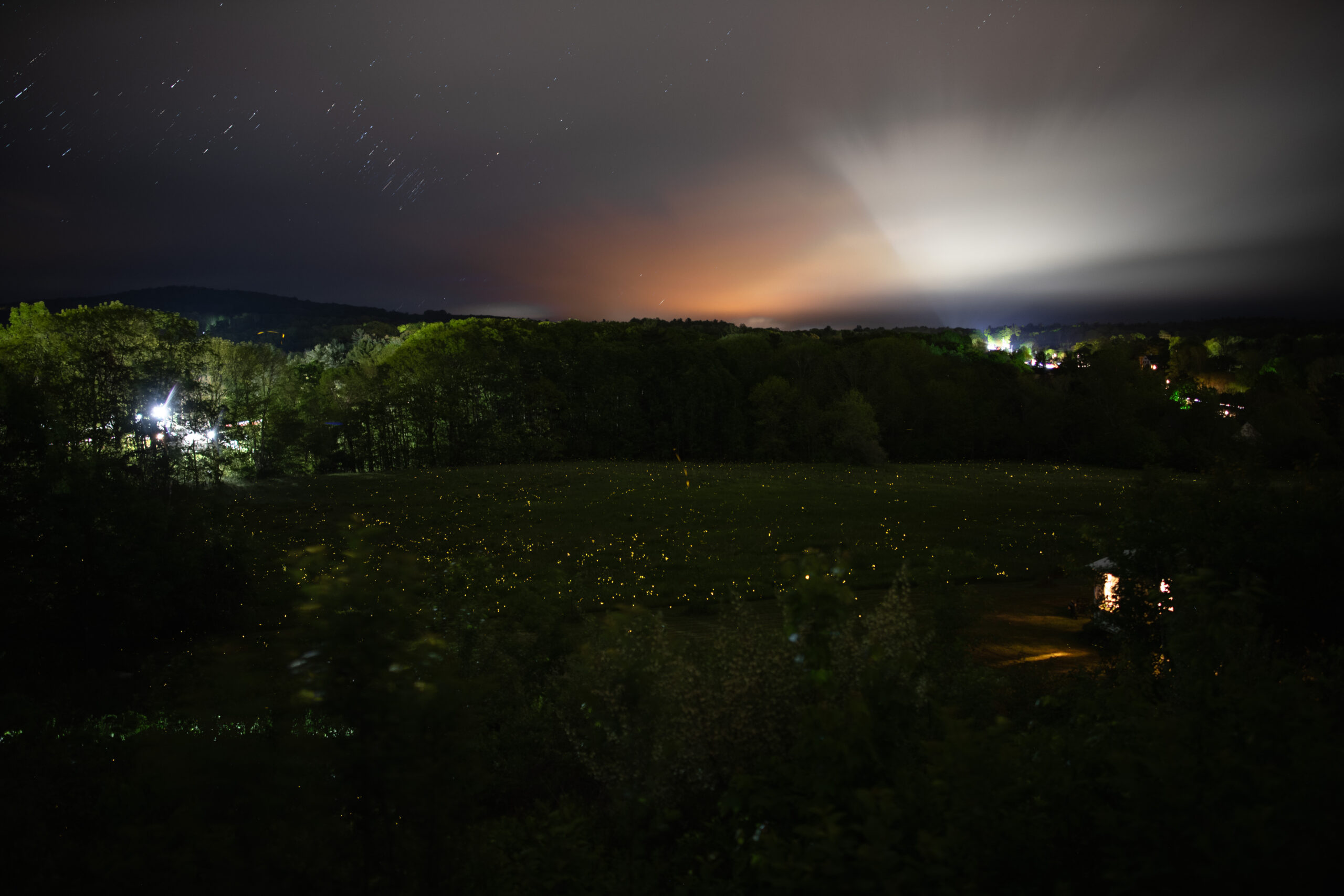
The following day, I continued up to Maine, staying in a little hut in the little town of Union. No luck there. Clouds were coming in and out so frequently that I couldn’t even polar align. The best shot I obtained was a timelapse of the fireflies.
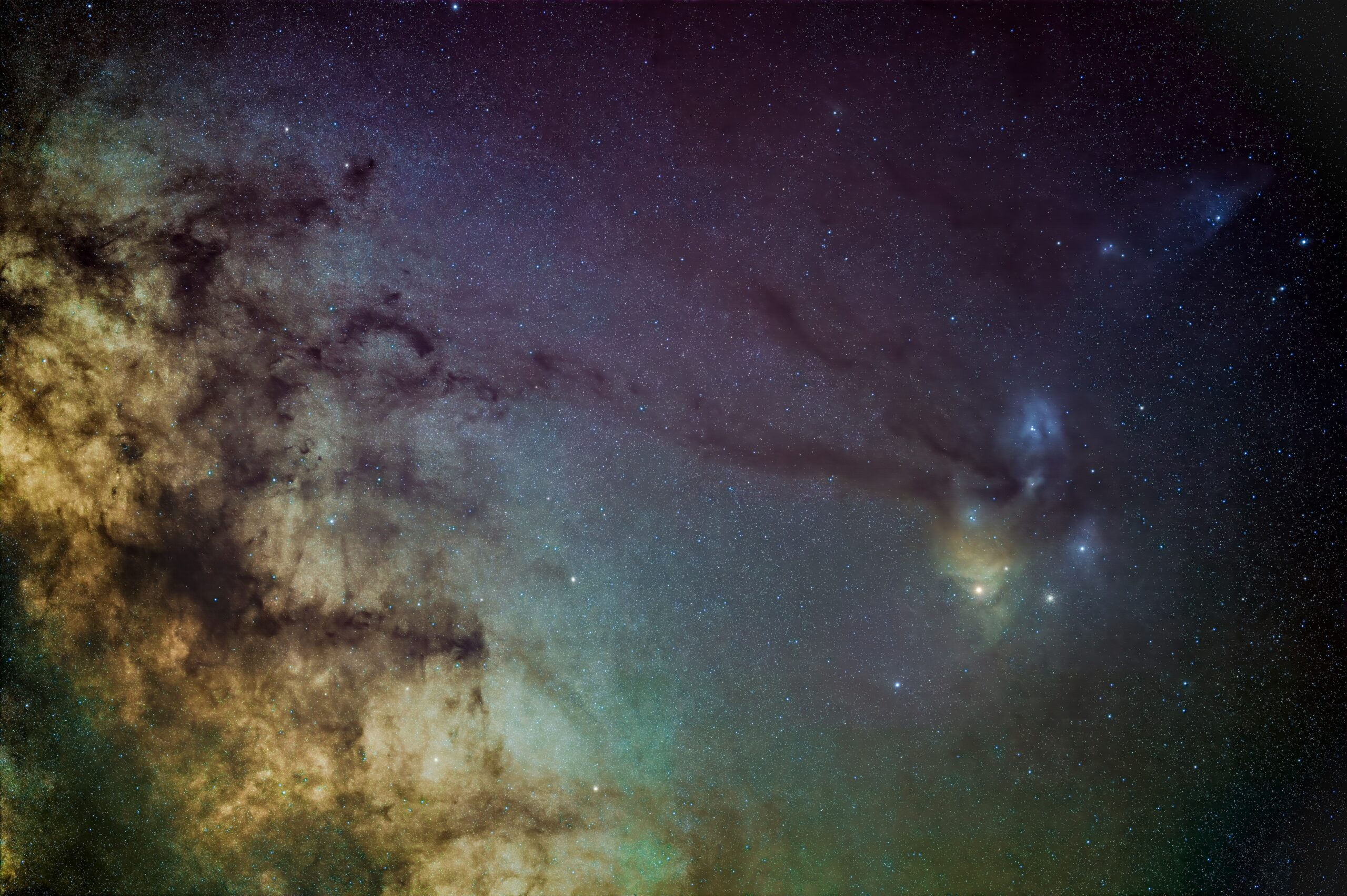
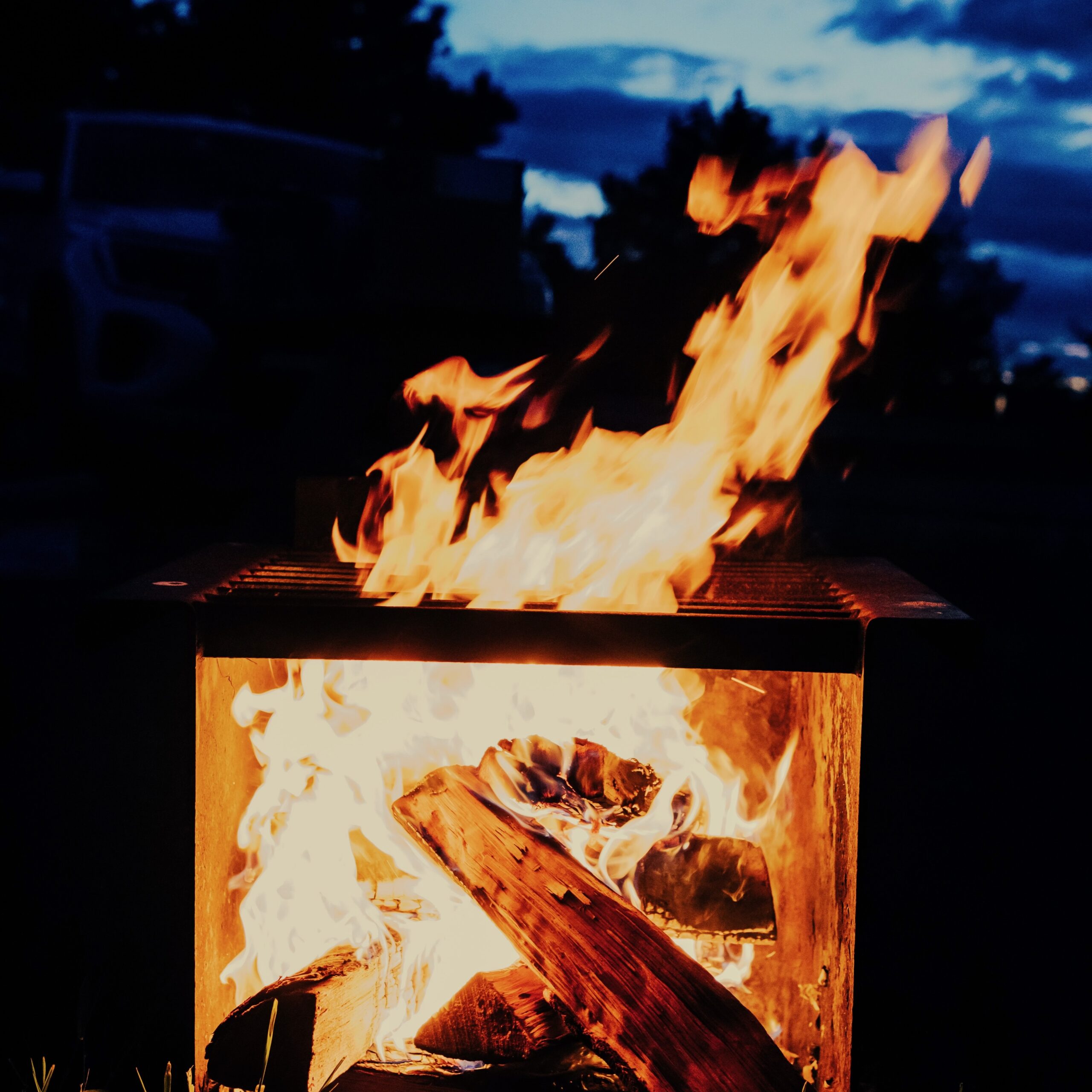
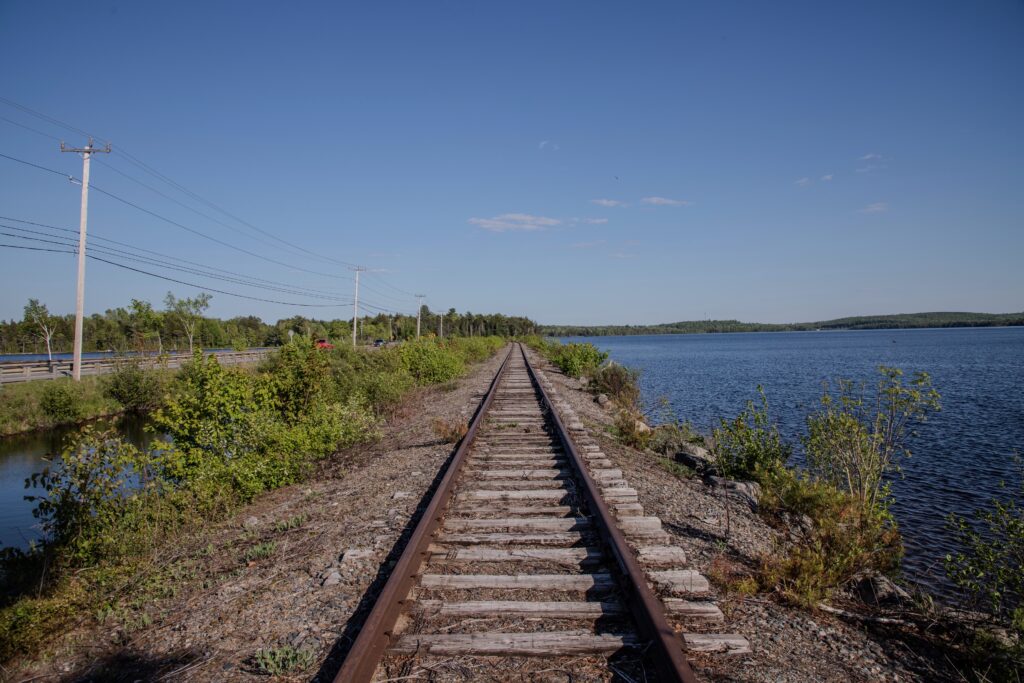
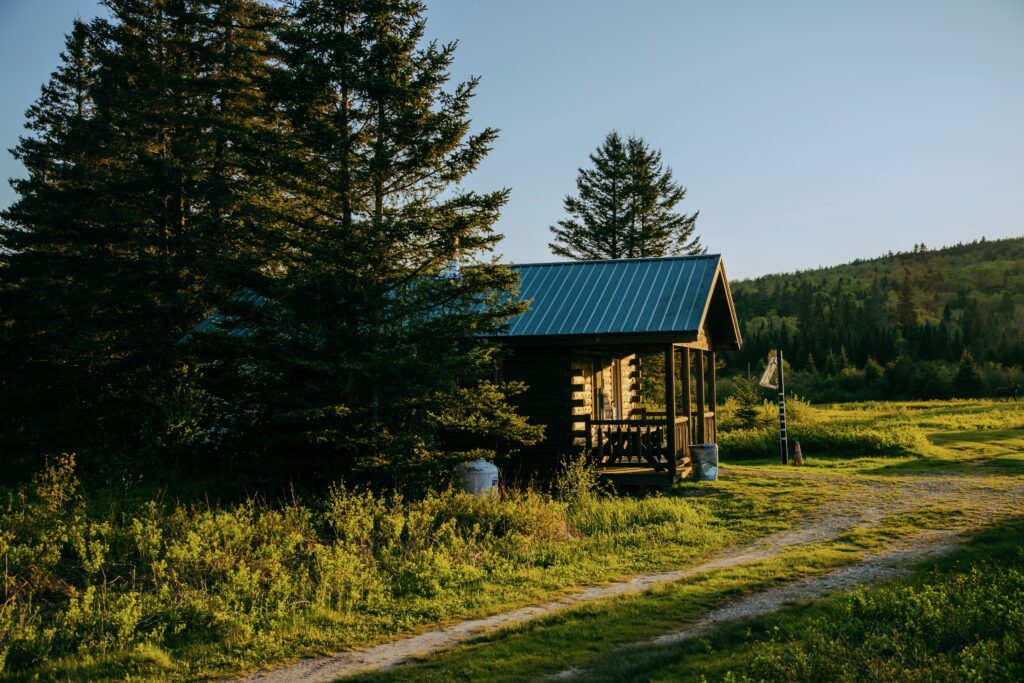
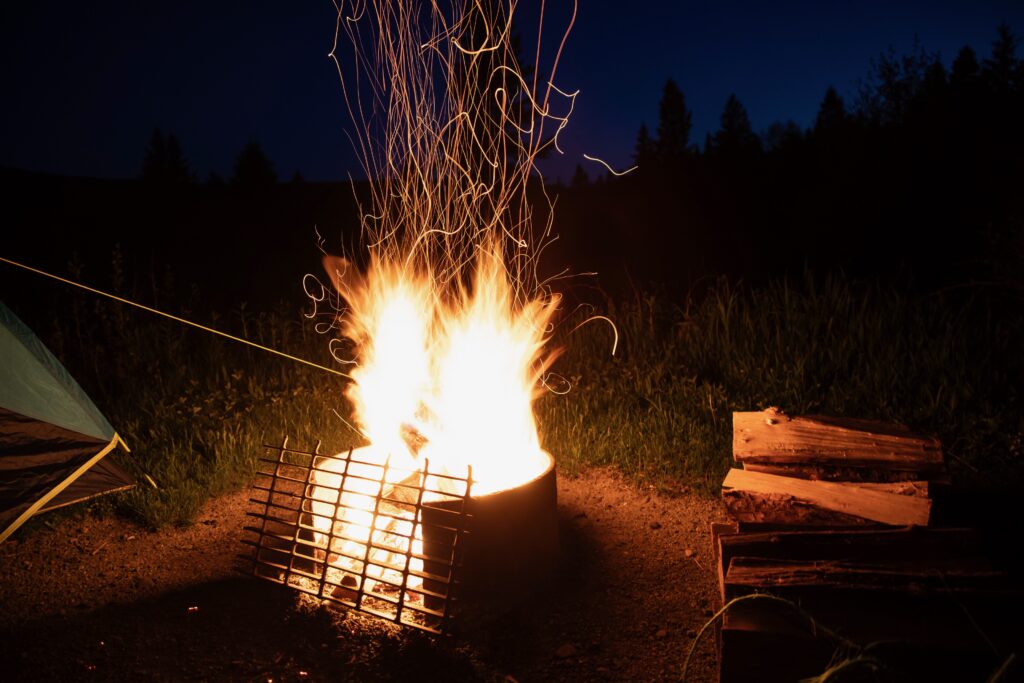
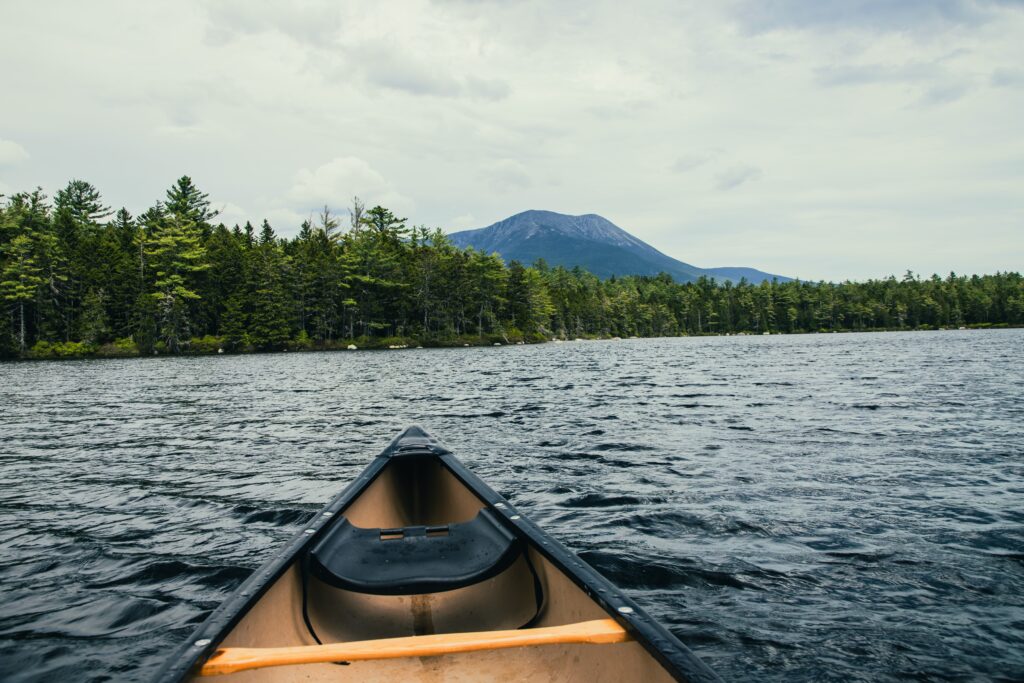
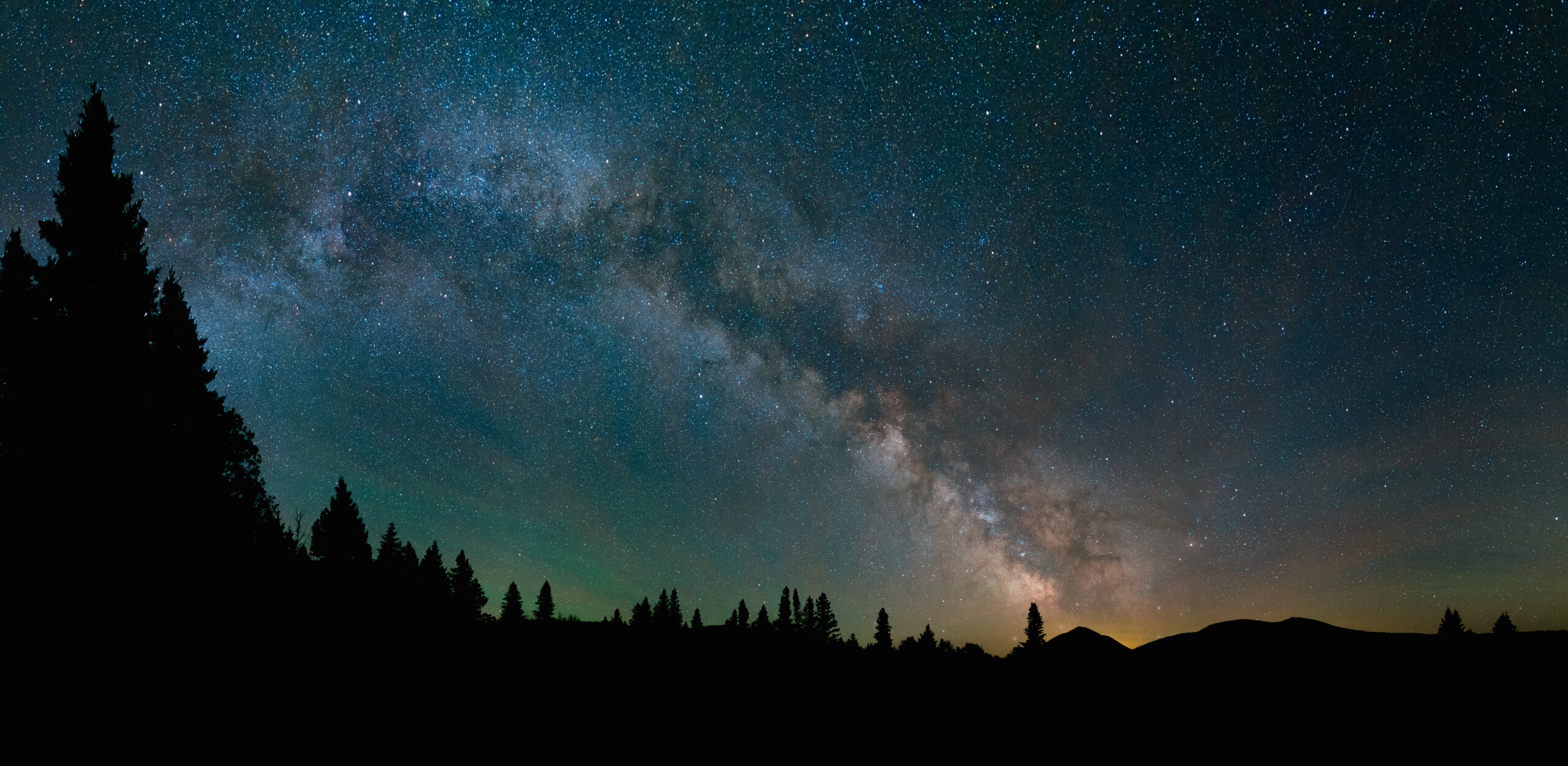
Wind patterns must have changed, because by now all of southern Maine was cloudy. So, in a final effort, I drove all the way to northern Maine (Baxter State Park), and with the advice of local park staff, camped at Nesowadnehunk Field Campground, which has a large field with panoramic views. Black flies were a nuisance at day, but calmed down during the night. I started the telescope after dinner and a campfire (probably a mistake — it took a long time), and caught at least 3 hours of data on the Antares nebula. It was clear and the sky was remarkably brilliant. I cannot remember the last time that I saw such a dark sky. It got cold in the night, and by next morning, the optics were covered in dew.
Fortunately, dew only ruined some of the final frames, and I cannot tell whether the dew was responsible, or perhaps early morning mist. Plus, focus drifted during the night, and the later photos were a bit out of focus. This is a common complaint with the FSQ-106N and other large refractors. Later on, I would buy a dew heater and electronic focuser to solve these problems. But on this night, I still had well over 2 hours of usable data, enough for a nice image.
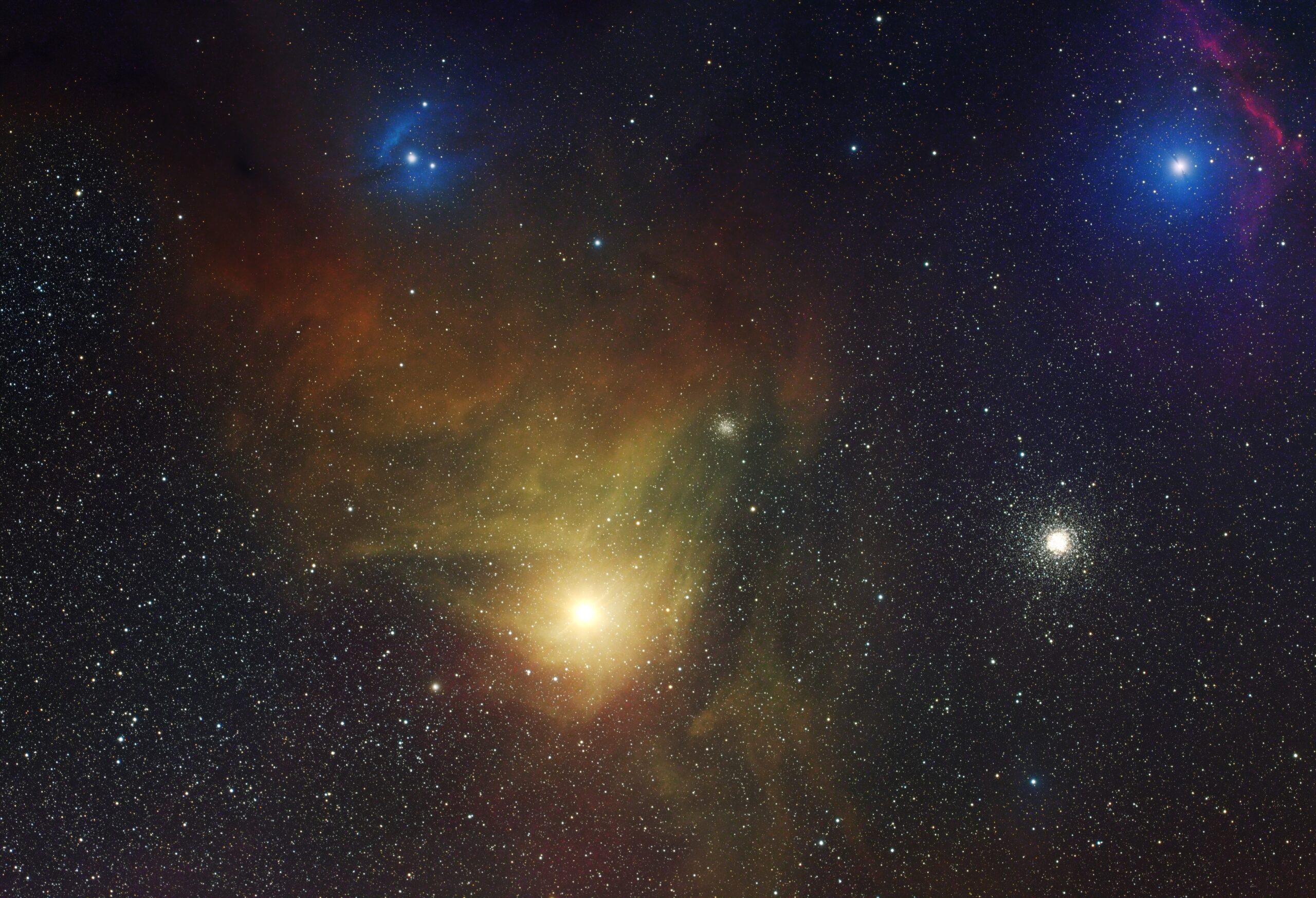
Antares is part of the Rho Ophiuchi complex, a photographers’ favorite thanks to its colorful palette of yellows, reds, whites, and blues — and its mix of bright stars, star clusters, dust clouds, and reflection and emission nebulae. It is part of the constellation Scorpius, which rises just before the southern Milky Way. As I write this post, it is back in season! Here is a photo from three weeks ago. It’s zoomed out at 85 mm and (unfortunate in my opinion) the red is less prominent, coming from the Sony A7RV with an IR-cut filter (see this post). There is also a little bit of airglow to the bottom of the frame.