The Target
As spring approaches, the “winter sky objects” (e.g. Orion, Pleiades, Gemini, and last post’s Horsehead and California Nebulae) recede into the sunset, setting earlier and earlier disappear from the night sky altogether. These objects are lie along the outer Milky Way. It will be another couple of months before the brilliant summer-sky targets come into view. But winter isn’t over yet! Back in Boston on 3/8, the skies were clear and I shot one of the last winter objects still high over the horizon: the Rosette Nebula. And like a rose poking up through the snow, it heralds the coming of spring.
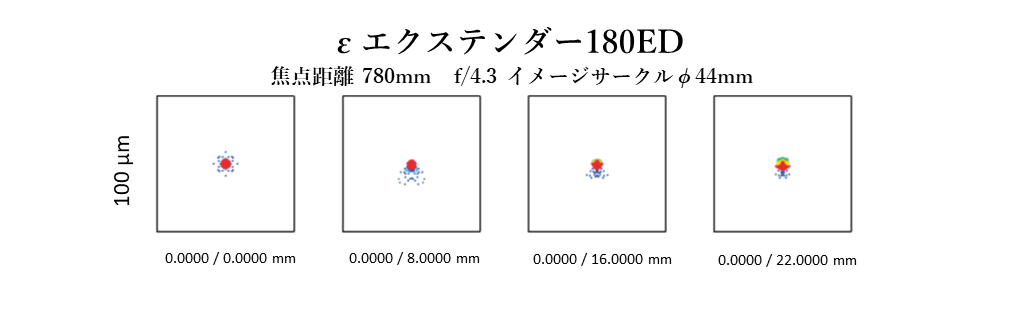
At 1.5º across, the Rosette Nebula was also a good object to try out the Takahashi ε-180ED 1.5x Extender, which brings the Epsilon’s focal length to 780mm. On a full-frame sensor, this cuts the field of view to 2.6º x 1.8º, ideal for framing this object without any cropping. And the extender is legendary for its sharpness.
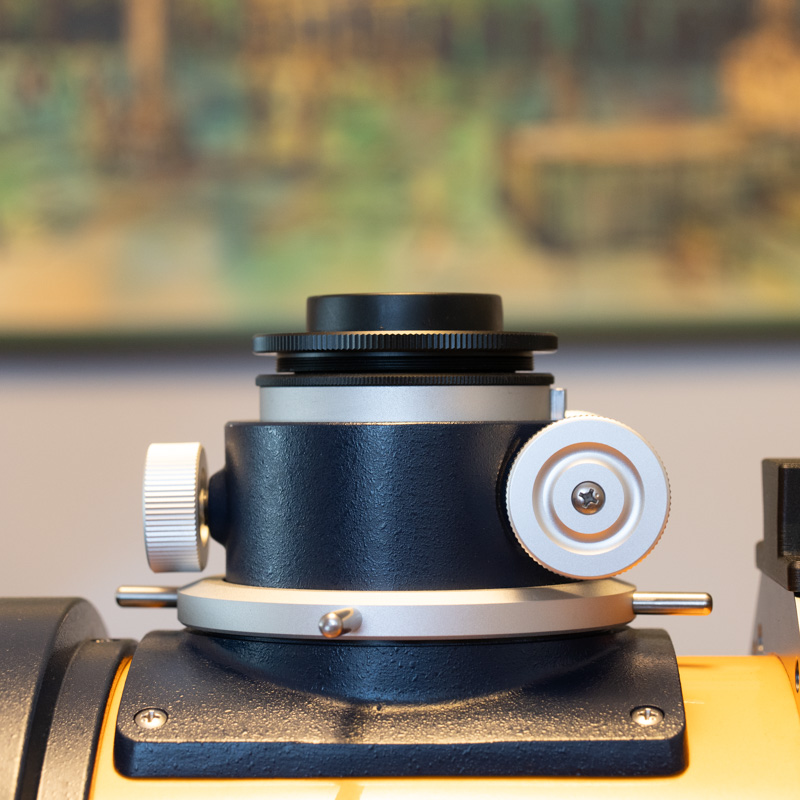
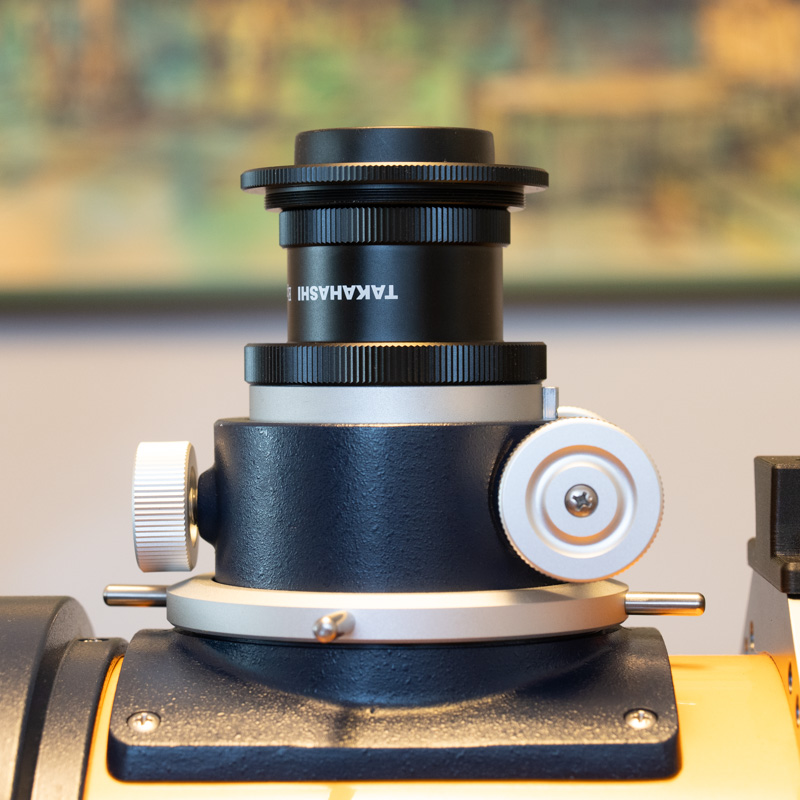
As an emission nebula, Rosette is best suited to SHO imaging. The fast f/2.8 optics create a unique problem of band shift, where many rays hit the filter at an angle, and the transmission spectrum is shifted to the blue. This “smears out” the filter function, and for very narrow filters, can seriously reduce the amount of transmitted light — by a factor of 2x or more!
To overcome band shift, I used two new tools:
- The 1.5x extender mentioned previously. This drops the focal ratio to f/4.3, which is more forgiving.
- A new set of 5nm Scorpio Astro SHO filters. These are more band-shift-tolerant than my 3nm set. They are rated to go down to f/4, and some vendors even claim f/2.8, but to be safe on my first try, I used them together with the f/4.3 extender.
The Night
Rosette was due to transit the meridian at 8:10, shortly after astronomical twilight. Afterwards, it would be visible for another six hours before setting directly west (it is an equatorial constellation) at 2:30 am. Practically, this gave about five hours’ imaging time, and dictated an observing spot with little westward light pollution. So western MA was in, Rockport and Cape Cod were out. Weather favored western MA as well. I went to Harvard town again, and learning from my previous post, avoided the school and set up in a parking lot near some snowy soccer fields. There were no headlight incidents this time.
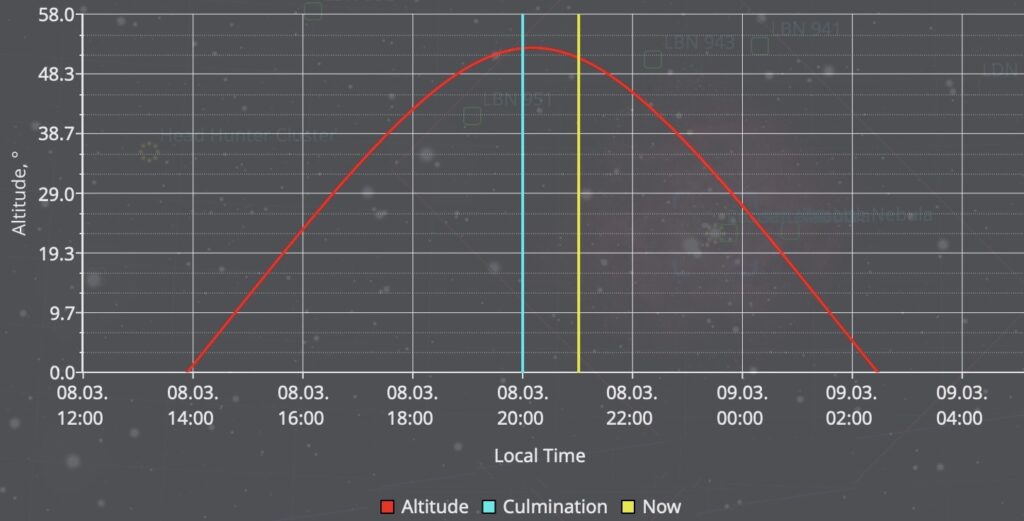
To my dismay, the stars were not as sharp as I would have liked. The Epsilon at native focal length was giving stars with an HFR of 1.5 px (about 2″). Here, the best I could get was around 2 px, which is still about 2″. I could not get the extender to produce images of the claimed sharpness. It was also very difficult to focus, and the focus appeared to drift over time, since the HFR gradually increased. If this becomes a persistent problem, I might need an auto-focuser on the Epsilon after all.
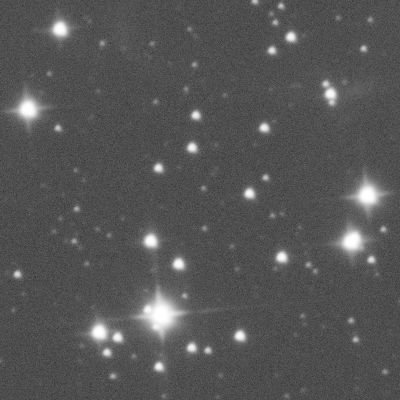
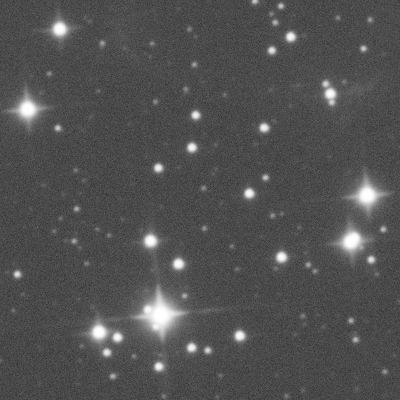
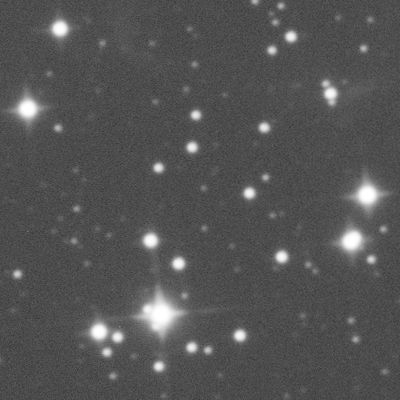
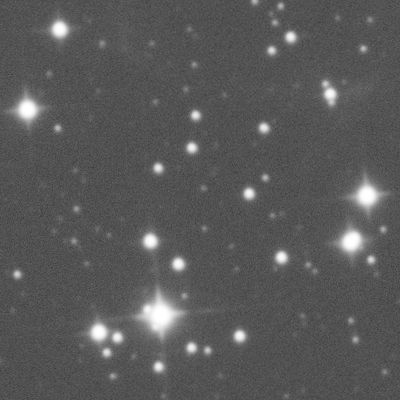
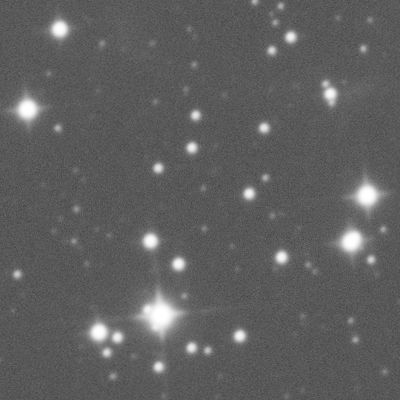
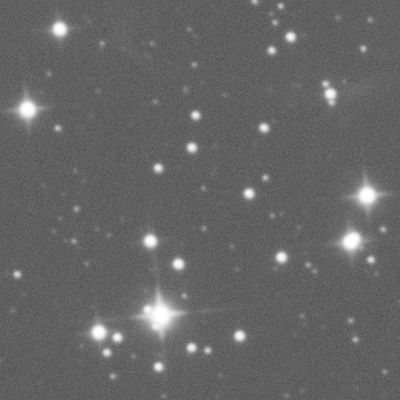
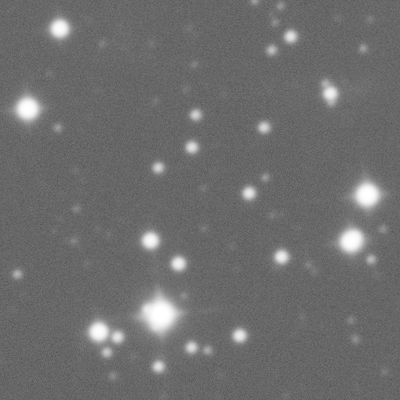
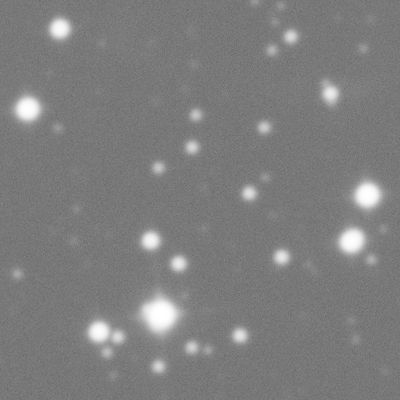
Above: star shapes as the night drew on. Note how the focus was sharp for the first half of the night, and grew soft towards the end. The lighter background is due to increased sky brightness as the target set tracked towards the western horizon.
However, it might have been the atmosphere. The seeing was poor, and in the later half of the night, when the object was closer to the horizon, the guiding deteriorated (r.m.s. error increased from 1″ to >2″). To back this up, after the imaging session, when I was getting terrible stars with HFR > 4 pixels, I pointed the telescope back at the zenith, took some test pictures, and the stars were as sharp as ever! So maybe focus was not the problem.
The Image
I collected roughly 4h of data: 1h each of S, H, and O, and 1h of LRGB. Using this, I processed it in three ways:
- SHO nebula + LRGB stars
- LRGB image
- HOO nebula + LRGB stars
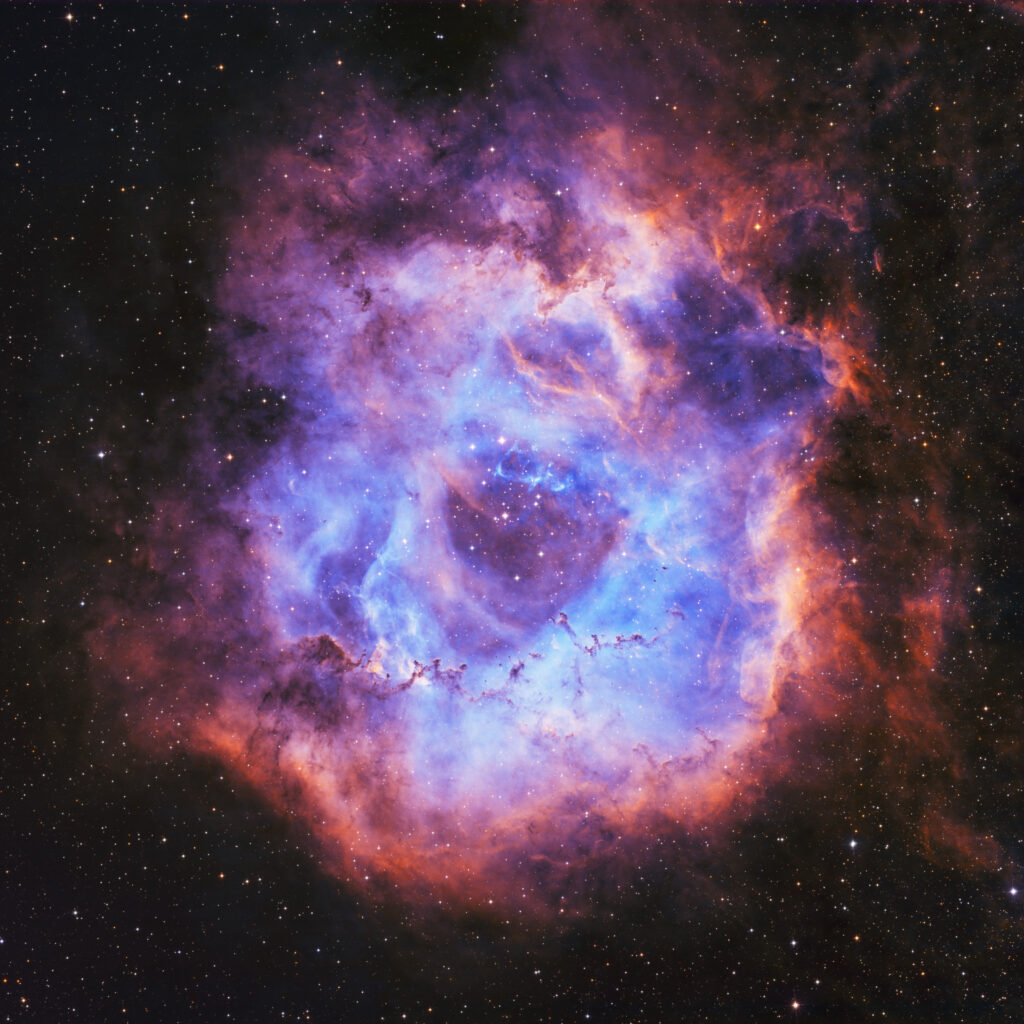
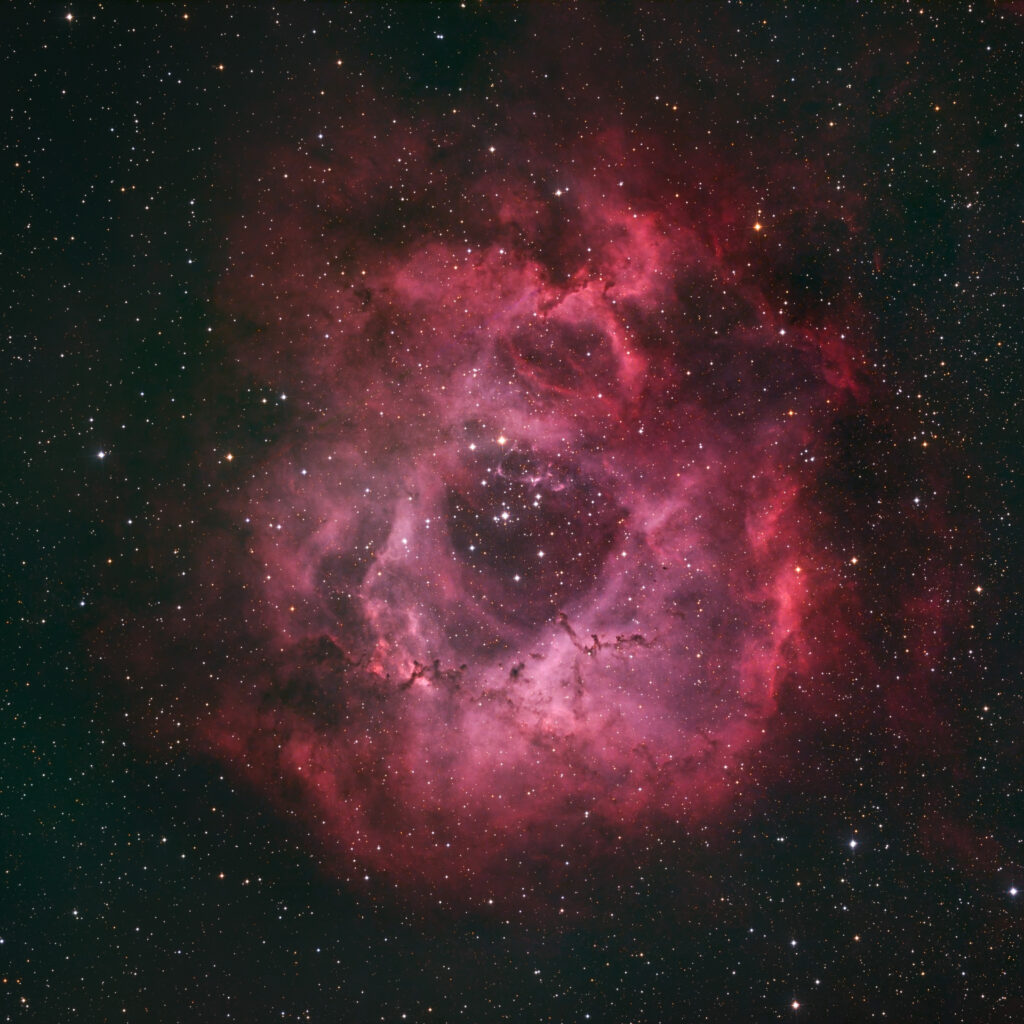
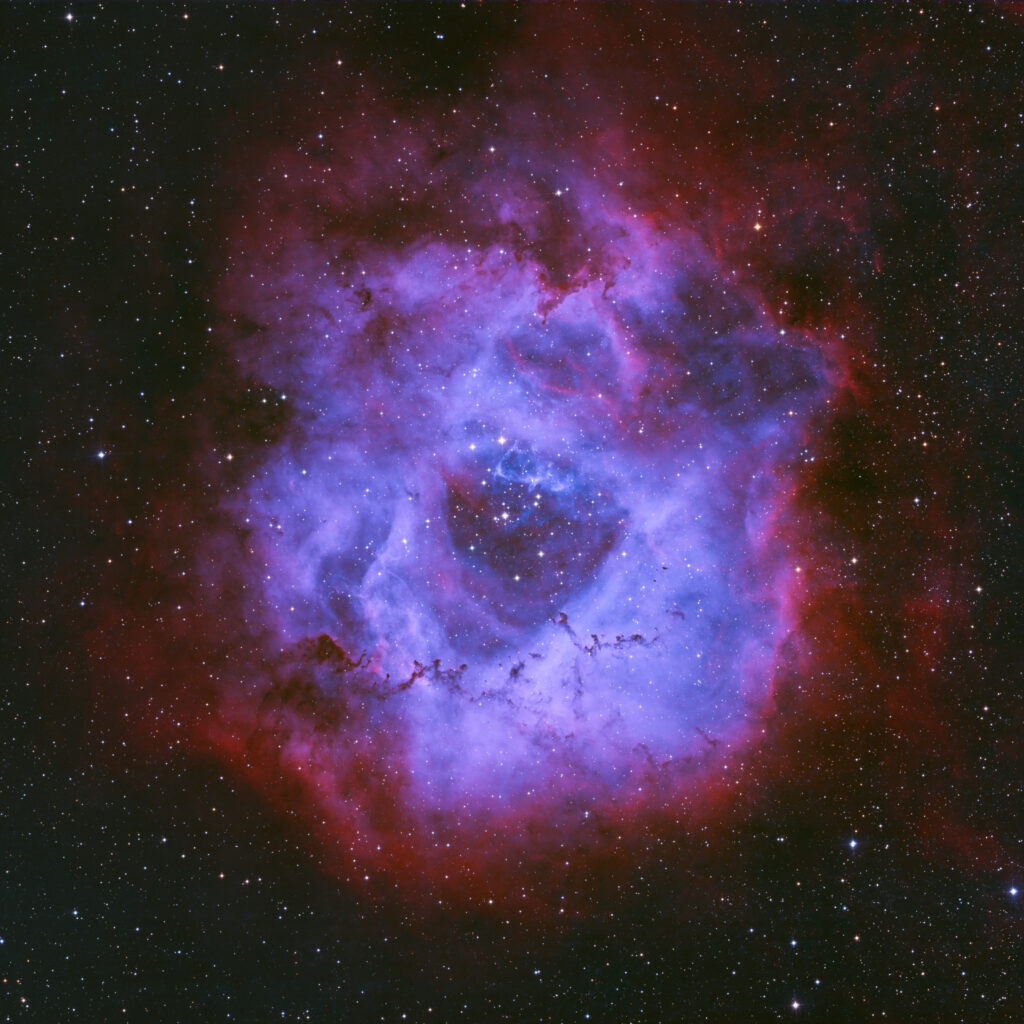
I like the SHO image best; since the nebula is rich in all three emission lines, the color contrast is striking. The LRGB image is more subdued but still very nice, and surprisingly good given that it only uses 1h of data. The HOO image is my least favorite: it looks too purple, and I struggled to pull out the blue core without over-saturating the H-alpha regions. I may come back to it when I have more editing experience.
That concludes the 2025-6 Winter of Astronomy. Au revoir, Rosette!